Medically reviewed by
USA Clinics Medical Review Team
Reviewed November 2026
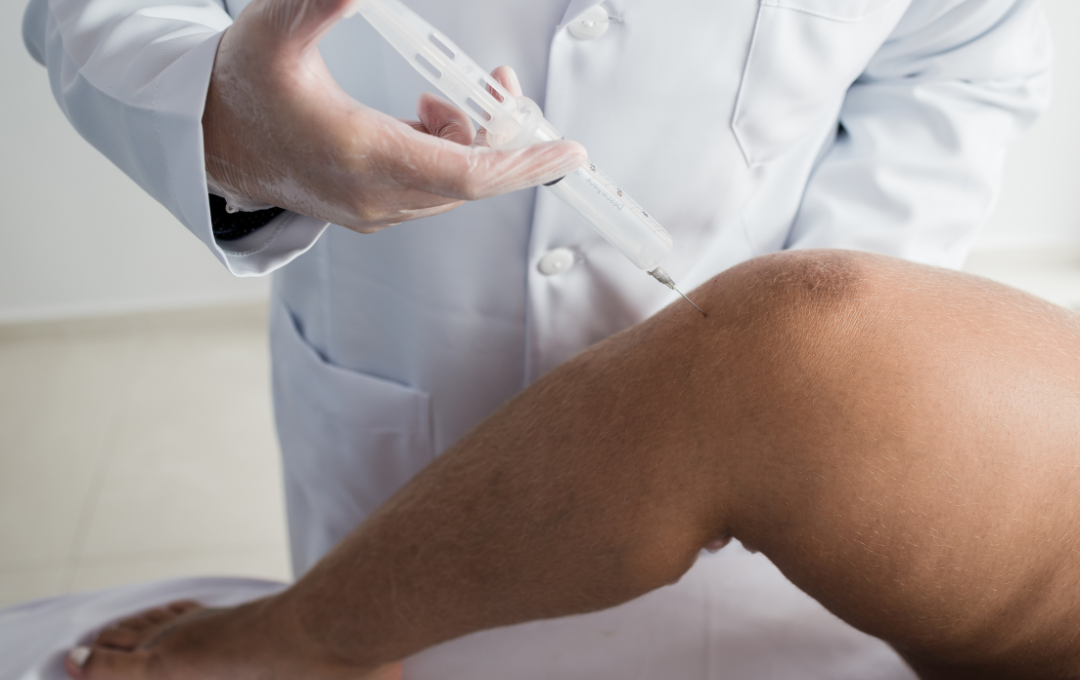
Cortisone shots often ease knee arthritis pain within a day or two. But that quick relief comes with some trade-offs you should know about. These shots are a type of corticosteroid. They work by calming inflammation inside the knee joint. That is why many people with knee osteoarthritis try them first.
The side effects of cortisone shots for knee arthritis range from mild soreness to bigger joint changes over time, especially with repeat use. Knowing what to expect, and when a shot stops helping, can change your next move toward lasting knee pain relief.
What a Cortisone Shot Does Inside an Arthritic Knee
A cortisone shot puts a corticosteroid right into the knee joint. It works by calming the immune response that drives inflammation. In knee osteoarthritis, inflamed joint tissue can cause pain, swelling, and stiffness, and the steroid is meant to quiet that reaction fast.
Most people feel better within one to three days. Relief often lasts six to twelve weeks. But the shot does not repair cartilage, and it does not stop the joint damage that comes with osteoarthritis. It treats a symptom, inflammation, not the wear underneath it.
Short-Term Side Effects You Might Notice Right Away
Steroid Flare
A small number of patients get a steroid flare, a burst of extra pain and swelling in the hours after the shot. It usually peaks within 24 hours and settles within one to two days with rest and ice.
Injection Site Soreness and Swelling
Soreness, mild swelling, or a bruised feeling at the injection site is common. It usually fades within a few days. A cold pack for 10 to 20 minutes at a time can help.
Skin and Pigment Changes
Some patients notice lighter or thinner skin near the injection site weeks or months later. This change can last a long time, though it is not common.
Long-Term Risks With Repeated Cortisone Shots
The side effects that worry specialists most tend to show up after many shots, not just one.
Cartilage Thinning
Studies have linked repeat corticosteroid shots to real cartilage loss in the knee, even when pain scores stay about the same.[1] Cartilage does not grow back easily, so this kind of wear can add up over years of repeat shots.
Joint Infection
Any shot into the joint space carries a small risk of infection, called septic arthritis.[3] It is rare, but it needs quick medical care if you notice redness, warmth, or fever.
Tendon and Soft Tissue Weakening
Frequent steroid use near tendons may weaken the soft tissue around the joint over time. This is one reason doctors avoid injecting the same spot too often.
Blood Sugar Changes
Cortisone can raise blood sugar for a short time. This matters most for people with diabetes. It is worth telling your doctor before you get a shot.
How Many Cortisone Shots Are Considered Safe
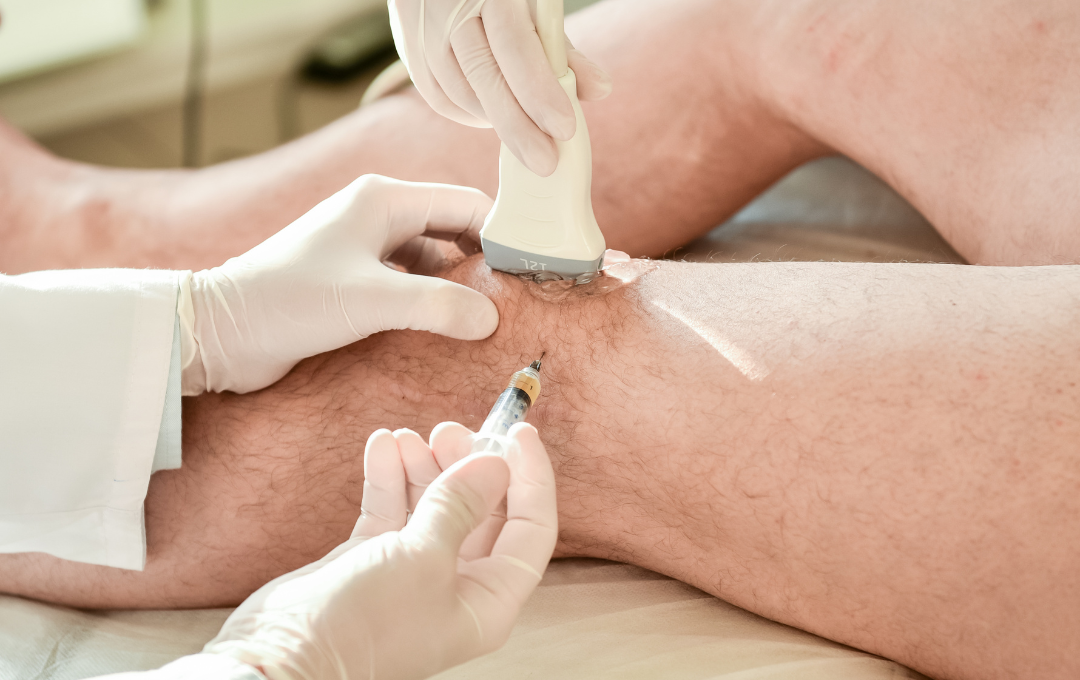
Most guidelines limit cortisone shots to three or four shots in the same knee each year.[2] Doctors usually space them six to twelve weeks apart. This gives joint tissue time to heal and may also lower the risk of cartilage thinning. If you need shots more often than this, or if relief fades faster each time, that pattern is worth noting. For a closer look at how long relief tends to last and what the alternatives are, see our guide to cortisone shot effectiveness and alternatives.
What to Do If Side Effects Outweigh the Relief
If the side effects are starting to outweigh the relief, or your relief window keeps shrinking, that pattern matters. It often means your knee osteoarthritis has a structural cause that steroids cannot fix. A knee pain specialist can check whether a minimally invasive option like genicular artery embolization (GAE) could be a good next step.
Unlike a steroid shot, GAE vs. cortisone shots comparisons show that GAE targets the small blood vessels that feed joint inflammation, rather than just quieting the immune response for a few weeks at a time.
Knee Pain Evaluation
Ready to Understand Your Knee Pain Options?
If cortisone shots are only giving short relief, or side effects are starting to worry you, a knee pain evaluation can help. USA Pain Center specialists use advanced imaging to look past inflammation and find what is really driving your knee osteoarthritis.
From there, you can talk through your full range of options, including whether a minimally invasive approach fits your situation.
FAQs About Cortisone Shot Side Effects
- McAlindon TE, LaValley MP, Harvey WF, et al. “Effect of Intra-articular Triamcinolone vs Saline on Knee Cartilage Volume and Pain in Patients With Knee Osteoarthritis: A Randomized Clinical Trial.” JAMA. 2017;317(19):1967-1975.
- Mayo Clinic. “Cortisone shots.” Mayo Clinic Patient Care & Health Information.
- Pal B, Morris J. “Perceived risks of joint infection following intra-articular corticosteroid injections: a survey of rheumatologists.” Clinical Rheumatology. 1999;18(3):264-265.
- Cleveland Clinic. “Cortisone Shots (Steroid Injections).” Cleveland Clinic Health Library.
Medical disclaimer: USA Pain Center content provides medical education only. It is not a diagnosis or treatment recommendation. Consult a pain management specialist for evaluation.