Medically reviewed by
USA Pain Center Medical Team
Reviewed July 2026
Signs that knee cartilage may be deteriorating include stiffness after sitting, a grinding sensation when you move, occasional swelling, and a gradual loss of full range of motion. We see a variety of patients who first notice these changes long before any diagnosis, and many raise the same question with our specialists: is this just normal aging, or something more.
We will cover the early signs of cartilage wear, how cartilage degradation connects to knee osteoarthritis, how age-related degeneration differs from an acute injury, what a diagnosis actually involves, and what steps make sense if you recognize these signs in your own knee.
What Cartilage Does in a Healthy Knee
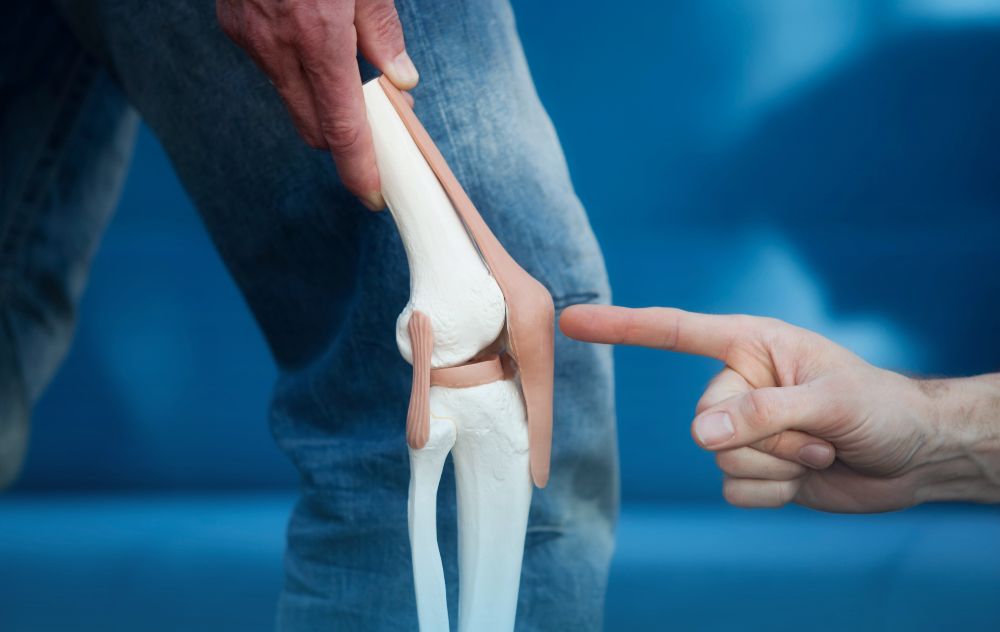
Cartilage is the smooth, rubbery tissue that covers the ends of the thighbone and shinbone where they meet at the knee. It allows the bones to glide against each other with almost no friction and absorbs the shock of everyday movement like walking, climbing stairs, and standing up from a chair.
Because cartilage has very little blood supply, it does not repair itself the way skin or muscle does. Once it wears down, the tissue generally does not grow back on its own, which is why noticing early signs matters.
Early Signs Your Knee Cartilage May Be Wearing Down
Cartilage loss tends to develop gradually, so the signs are often subtle at first. Several patterns commonly show up before pain becomes constant.
Stiffness After Sitting or Sleeping
A knee that feels stiff first thing in the morning or after sitting for a while, then loosens up after a few minutes of movement, can be an early indicator of cartilage changes. This is sometimes called morning stiffness and is a pattern our specialists ask about directly. Knee pain after sitting can also occur alongside this stiffness, particularly after longer periods of inactivity.
Grinding or Crackling Sensations
A grinding, crackling, or grating feeling when bending or straightening the knee, known as crepitus, can happen for harmless reasons like small air bubbles in the joint fluid. When it is paired with other signs on this list, though, it may indicate the smooth cartilage surface has become rougher.
Swelling That Comes and Goes
Mild swelling that appears after activity and settles down with rest can be a sign that the joint lining has become irritated, which is a common response to cartilage wear.
Reduced Range of Motion
Difficulty fully bending or straightening the knee, or a feeling that the joint is not moving as freely as it used to, can develop as the cushioning between the bones thins out.
Aching That Worsens With Activity
Dull, aching discomfort that increases with walking, climbing stairs, or kneeling and improves with rest is a classic pattern associated with cartilage loss rather than an acute injury. Our patients are advised to always pay attention to how their symptoms respond to rest, since this pattern can help a specialist understand what is happening in the joint. Continuing to push through or ignore knee pain can allow an underlying joint problem to go unaddressed.
How Cartilage Degradation Connects to Knee Osteoarthritis
Cartilage degradation is the mechanism at the center of knee osteoarthritis. As the smooth cartilage surface thins and roughens over time, the cushioning between the femur and tibia decreases, which allows the bones to move less smoothly against each other and, in more advanced cases, rub directly together. When cartilage loss reaches this point, understanding how serious bone-on-bone knee arthritis can be can help put this advanced stage into context. Even at this stage, some patients may be able to avoid knee replacement with bone-on-bone arthritis depending on their symptoms and treatment options.
This progressive breakdown is what defines knee osteoarthritis as a degenerative joint disease rather than a single injury. Doctors sometimes describe the process in stages, from minor, symptom-free cartilage thinning in the earliest stage to significant cartilage loss with more frequent pain in later stages. The signs covered above, including stiffness, grinding, swelling, and reduced motion, are the clinical expression of this underlying cartilage change, which is why noticing them early can be a meaningful first step toward understanding whether knee osteoarthritis may be developing.
Cartilage Loss From Aging vs. Injury
Not all cartilage damage develops the same way. Age-related wear, the kind most associated with knee osteoarthritis, tends to progress slowly over years and is influenced by factors like genetics, body weight, and repetitive stress on the joint. Injury-related cartilage damage, by contrast, often follows a specific event such as a fall, a sports injury, or a twisting motion, and symptoms may appear more suddenly.
Our patients often describe a gradual pattern rather than a single triggering event, which is one clue that points toward degenerative wear rather than an acute tear.
When These Signs May Point to Knee Osteoarthritis
When stiffness, grinding, swelling, and reduced motion show up together and persist over weeks or months, they may be associated with knee osteoarthritis, a common degenerative joint condition. You can review a fuller breakdown of typical presentations in our knee osteoarthritis symptoms guide, and learn more about what tends to contribute to the condition in our overview of knee osteoarthritis causes.
Recognizing these signs early does not mean treatment is automatically needed. It means it may be time for an evaluation to understand what is actually happening in the joint.
How Cartilage Loss Is Diagnosed
A physical exam is typically the first step, followed by imaging if your specialist wants a closer look at the joint. Our overview of imaging to confirm cartilage loss explains how X-rays and other imaging tools are used, along with their limitations, since cartilage itself does not always show up clearly on a standard X-ray.
What You Can Do If You Notice These Signs
If you recognize several of these signs in your own knee, conservative options like activity modification, weight management, and physical therapy are often a reasonable starting point and can help manage mild symptoms.
For patients whose symptoms are more persistent or significant, genicular artery embolization (GAE) is a minimally invasive, image-guided option offered at USA Pain Center. GAE targets the blood vessels associated with joint inflammation and may help reduce knee pain in appropriate candidates. A specialist can help determine whether you are a good candidate after an evaluation.
Our specialists work with a range of patients experiencing these early and later-stage symptoms, and a conversation with a knee pain specialist is often the clearest way to understand what your particular symptoms may mean.
FAQs About Knee Cartilage Deterioration
References
- National Institute of Arthritis and Musculoskeletal and Skin Diseases. Osteoarthritis. National Institutes of Health.
- Cleveland Clinic. Osteoarthritis of the Knee. Cleveland Clinic Health Library.
- Mayo Clinic. Osteoarthritis – Symptoms and Causes. Mayo Foundation for Medical Education and Research.
Medical disclaimer: USA Pain Center content provides medical education only. It is not a diagnosis or treatment recommendation. Consult a pain management specialist for evaluation.