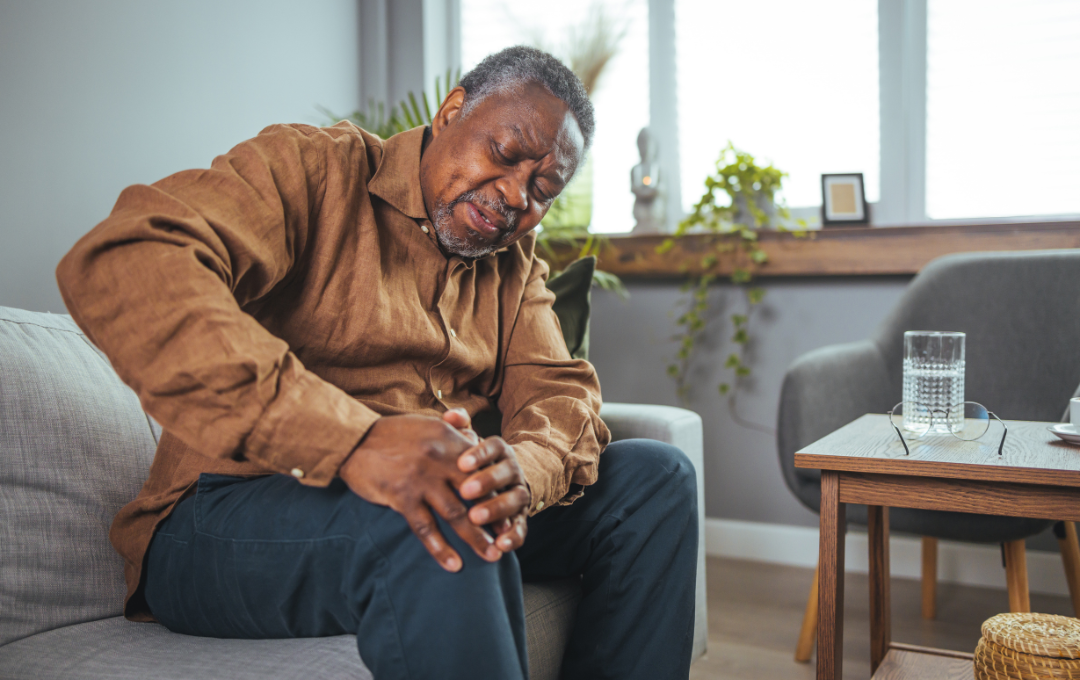
Knee pain while sitting is often caused by keeping the knee bent for too long, which increases pressure on the joint and can lead to stiffness, inflammation, or pain. While occasional discomfort after sitting is common, persistent or worsening pain may be a sign of an underlying condition such as osteoarthritis, tendonitis, or patellofemoral pain syndrome.
Many people notice their knees hurt while sitting at a desk, during long commutes, or after extended periods of inactivity. Others experience a sharp pain when standing up after sitting with their knees bent. In many cases, the discomfort improves once you start moving, but pain that returns frequently or doesn’t go away should be evaluated by a specialist.
Why Do My Knees Hurt When Sitting?
Pain in the knees when sitting can have several causes, but is commonly related to pressure and stiffness in and around the joint. When the knee remains bent for an extended period, the kneecap presses into the joint surface while blood flow and joint lubrication slow down. At the same time, the quadriceps, hamstrings, and hip muscles can become tight and stiff. This combination can also explain why your knees may feel stiff and dry after periods of inactivity.
With healthy joints, this stiffness often improves after a few moments of walking. However, those with cartilage damage, inflammation, or arthritis may experience pain that lingers longer and happens more frequently.
Knee pain after sitting with legs bent is often worse after prolonged inactivity and may improve with movement. Many people describe the sensation as soreness, aching, or stiffness that appears when standing up after sitting for too long.
Signs Your Knee Pain When Sitting is From Common Causes
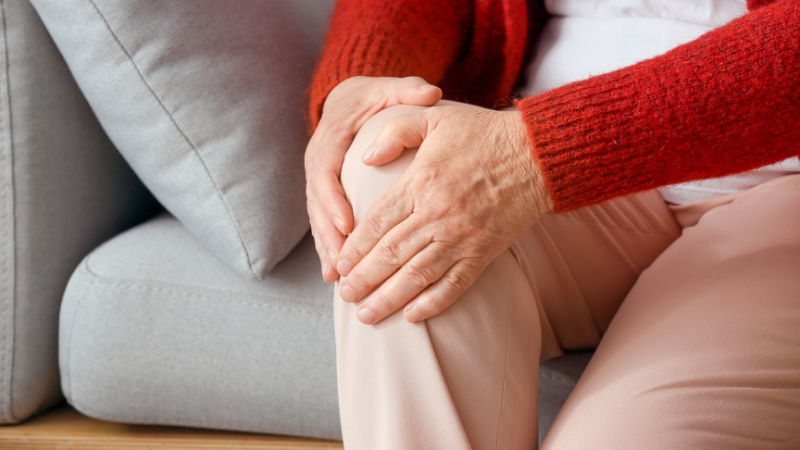
There are many reasons why your knee may hurt when you sit down, ranging from specific conditions to factors that can make symptoms worse over time. Where you feel the discomfort can also provide clues, since pain on the inside of your knee may have several possible causes.
Poor Posture or Sitting Too Long
Poor posture, crossed legs, or knees bent under the body while sitting can increase pressure on the kneecaps. Long periods of sitting also contribute to muscle stiffness and reduced flexibility, which may lead to knee pain from sitting.
Tendonitis and Overuse Injuries
Tendonitis occurs when the tendons around the knee are irritated or inflamed. Repetitive movements, sports, or overuse can strain the tendons crossing the knee joint. Symptoms often include swelling, tenderness, and pain above or below the kneecap, which may worsen when sitting.
Tight Muscles and Poor Flexibility
Weak or tight leg muscles can reduce knee stability and place additional stress on the joint. Tight hamstrings, hip flexors, and quadriceps often contribute to knee aches while sitting, especially in people with sedentary lifestyles. Nutritional factors can sometimes contribute to musculoskeletal discomfort as well, and certain vitamin deficiencies may be associated with knee pain.
In some cases, however, knee pain when sitting may point to a more significant underlying condition.
When Knee Pain May Be More Serious
While many cases of knee pain with sitting resolve with rest, movement, or lifestyle adjustments, some are linked to underlying joint conditions that require medical attention. Understanding the difference can help you decide when to seek professional care.
Osteoarthritis of the Knee
One of the most common causes of chronic knee pain after sitting is osteoarthritis. This degenerative condition develops when cartilage in the knee gradually wears away, causing bones to rub together and making movement increasingly painful over time. People with osteoarthritis often notice stiffness after sitting still for long periods, sometimes called the “theater sign,” a pain that develops after sitting with knees bent for extended periods. Knee arthritis pain can also feel like a deep ache, grinding, or discomfort that worsens with activity.
Additional symptoms may include swelling, grinding sensations, reduced mobility, and pain when standing after sitting.
Learn More About Osteoarthritis Symptoms and Treatment
Patellofemoral Pain Syndrome
Patellofemoral pain syndrome (PFPS), often referred to as runner’s knee, causes pain around the front of the kneecap. This pressure can cause pain while squatting, climbing stairs, or after sitting. The knee hurts when sitting because it is bent for prolonged periods, which increases pressure on the joint and can aggravate symptoms.
Bursitis and Joint Inflammation
Bursitis develops when the fluid-filled sacs that cushion the knee joint become inflamed. This inflammation can cause swelling, tenderness, and discomfort during prolonged sitting or repetitive activity.
Why Does Sitting for Long Periods of Time Hurt My Knees?
Sitting itself may not permanently damage healthy knees, but a sedentary lifestyle can increase the risk of chronic pain and mobility problems. Many adults spend the majority of their day sitting, especially during desk work or long commutes. Prolonged inactivity can cause knee pain after sitting by reducing flexibility and weakening the muscles supporting the joint. While regular movement can help counteract these effects, pushing through knee pain instead of modifying painful activities can aggravate symptoms.
How Do I Stop My Knees from Hurting When I Sit?
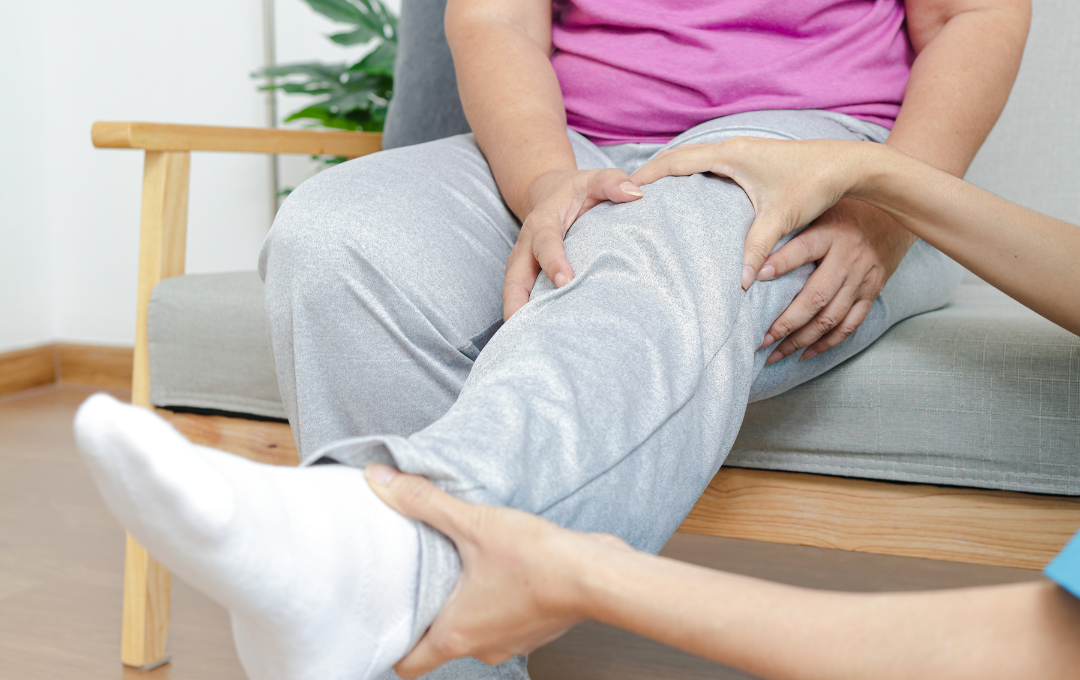
There are several ways to reduce knee pain while sitting and improve overall joint comfort.
Methods you can try on your own:
- Standing up and moving every 20–30 minutes
- Stretching your legs regularly throughout the day
- Keeping your feet flat on the floor with your knees at a 90-degree angle
- Avoiding crossing your legs or sitting in awkward positions
- Using a chair with proper lumbar support
- Strengthening your leg muscles with low-impact exercise
- Applying ice to your knee to reduce inflammation after activity
Treatments to discuss with your doctor:
- Anti-inflammatory medications such as ibuprofen (NSAIDs)
- Physical therapy to improve strength and flexibility
- Supportive braces or orthotics
- Injections to reduce pain and inflammation
- Minimally invasive procedures for persistent or worsening pain
Treatment for sore knees from sitting depends on the underlying cause of pain. Some people benefit from physical therapy, supportive braces, injections, or minimally invasive procedures.
When to See a Knee Pain Specialist
A painful knee after sitting that does not improve with movement or rest may indicate a condition requiring professional evaluation, especially if it is:
- Severe or worsening
- Does not improve after several weeks
- Causes swelling, locking, or buckling
- Prevents walking or bearing weight
- Makes it difficult to bend or straighten the knee fully
- Is accompanied by redness, warmth, or fever
Persistent knee pain may indicate arthritis, cartilage damage, or another joint condition that requires professional evaluation.
Treatment to Relieve Knee Pain When Sitting
Knee pain when sitting can be treated in various ways, depending on the underlying cause. Many people find relief through conservative approaches such as physical therapy, corticosteroid injections, or supportive bracing. These treatments can help reduce inflammation, improve muscle strength, and restore mobility for conditions such as tendonitis, bursitis, and patellofemoral pain syndrome. If the underlying cause is osteoarthritis, minimally invasive procedures such as genicular artery embolization (GAE) can effectively relieve the pain.
Genicular Artery Embolization
Patients with chronic knee osteoarthritis pain may find relief with treatments such as genicular artery embolization (GAE). GAE is a minimally invasive treatment that reduces knee inflammation by blocking abnormal blood vessels associated with osteoarthritis-related pain and swelling. This outpatient treatment may help reduce swelling, improve mobility, and relieve discomfort in people who have not responded well to conservative therapies.
Who may be a good candidate for GAE:
- Adults with confirmed knee osteoarthritis
- Those who have tried conservative treatments such as physical therapy, medications, or injections without adequate relief
- People who want to avoid or delay knee replacement surgery
- Those who are not suitable candidates for surgery due to age or other health conditions
Who may not be a good candidate:
- People whose knee pain is caused by conditions other than osteoarthritis
- Those with certain vascular conditions or kidney concerns that may affect the procedure
- People who have not yet tried conservative treatment options
A consultation with a specialist is the best way to determine whether GAE is the right option for your specific situation.
Find Relief From Knee Pain at USA Pain Center
If your knee hurts when sitting too long or the discomfort interferes with daily activities, seeking professional treatment from the specialists at USA Pain Centers can help identify the underlying cause and improve your quality of life.
An early diagnosis and treatment may reduce inflammation, improve mobility, and help prevent worsening joint damage. Find relief from knee pain today by scheduling a consultation at USA Pain Center.
Meet With A Knee Pain Specialist
FAQs About Knee Pain When Sitting
Is knee pain when sitting a sign of arthritis?
Knee pain when sitting can be a sign of arthritis, especially if you also experience stiffness, swelling, or pain when standing after long periods of inactivity. While sitting-related knee pain isn’t always caused by arthritis, persistent or worsening symptoms should be evaluated to determine the underlying cause.
Why does my knee hurt when sitting but not when standing?
Your knee may hurt when sitting but not when standing because keeping the joint bent for an extended period increases pressure on the kneecap and surrounding tissues. Conditions such as osteoarthritis, patellofemoral pain syndrome, tendonitis, or inflammation can make this pressure more painful.
Is it normal for my knees to hurt after sitting?
Yes, it can be normal for your knees to hurt after sitting for a long time if the discomfort is mild and goes away once you start moving. However, frequent or persistent pain may be a sign of an underlying condition, such as osteoarthritis, runner’s knee, or tendonitis.
What is the best sitting position for knee pain?
The best sitting position for knee pain is with your feet flat on the floor, your knees bent at about a 90-degree angle, and your hips level with or slightly higher than your knees. Avoid crossing your legs or sitting with your knees deeply bent for long periods, and stand up to stretch every 20 to 30 minutes.
Why is knee pain after sitting with legs bent worse than regular sitting?
Knee pain after sitting with your legs bent is often worse because the bent position increases pressure on the kneecap while reducing joint lubrication over time. This combination can make the knee feel stiff, sore, or painful when you first stand up, particularly if you have arthritis or another underlying knee condition.