
Medically reviewed by
USA Pain Center Medical Review Team
Review Date: July 2026
Knee osteoarthritis and rheumatoid arthritis cause similar pain but come from very different causes and need different care. Osteoarthritis develops from cartilage wear over time, while rheumatoid arthritis is an autoimmune condition that attacks the joint lining. Understanding which type affects your knee is the first step toward finding the right treatment path.
Below, we break down how each condition develops, the symptoms that set them apart, and what the differences mean for your treatment options.
Osteoarthritis: The Wear and Tear Difference
Knee osteoarthritis (OA) is the most common type of arthritis. It develops when the cartilage cushioning your knee joint breaks down over time. Cartilage is the smooth tissue that sits between bones and allows them to move freely. When this protective layer wears away, bones begin to rub together, causing pain and stiffness. In advanced cases, cartilage loss can progress to bone-on-bone arthritis, and understanding what stage bone-on-bone knee arthritis is can help put this degree of joint damage into context.
OA develops gradually, usually over many years. Common causes include age, previous knee injuries, repetitive stress from work or sports, and extra body weight putting pressure on the joint. Unlike other forms of arthritis, OA is localized. It typically affects just one joint, often one knee more than the other.
The pain from knee OA tends to worsen with activity and improve with rest. Many people notice morning stiffness that goes away within 30 minutes of moving around. Swelling is usually mild, and you might feel a crunching or grinding sensation in the joint.
Rheumatoid Arthritis: The Autoimmune Type
Rheumatoid arthritis (RA) is fundamentally different from OA. RA is an autoimmune condition where your immune system mistakenly attacks the lining of your joints, called the synovium. This attack causes inflammation that damages not just the joint, but can affect other parts of the body, including the heart, lungs, and eyes.
RA develops more rapidly than OA, sometimes within weeks or months. It is not caused by wear and tear, but by a combination of genetic factors, environmental triggers, and sometimes infections. The exact cause is not fully understood, but researchers believe both genetics and lifestyle factors play a role.
Unlike knee OA, RA often affects multiple joints at the same time, and typically on both sides of the body symmetrically. RA commonly starts in the hands and feet, though it can affect the knees as well. When RA does affect the knee, it is usually accompanied by more pronounced swelling, warmth, and redness. Many people with RA also experience fatigue, fever, and a general feeling of illness.1
Key Differences At a Glance
| Aspect | Knee Osteoarthritis | Rheumatoid Arthritis |
|---|---|---|
| Cause | Cartilage breakdown | Immune system attacks joints |
| Joint Pattern | Localized (one or few joints) | Symmetric (both sides of body) |
| Onset | Gradual (months to years) | Rapid (weeks to months) |
| Morning Stiffness | Brief (less than 30 minutes) | Prolonged (more than 1 hour) |
| Systemic Symptoms | No fever or fatigue | Yes: fever, fatigue, general malaise |
| Swelling | Mild | More pronounced, with warmth and redness |
| Progression | Slow and steady | Fast and aggressive |
| Treatment Focus | Pain management, mobility | Immune suppression, anti-inflammatory |
How Each Type Affects the Knee Specifically
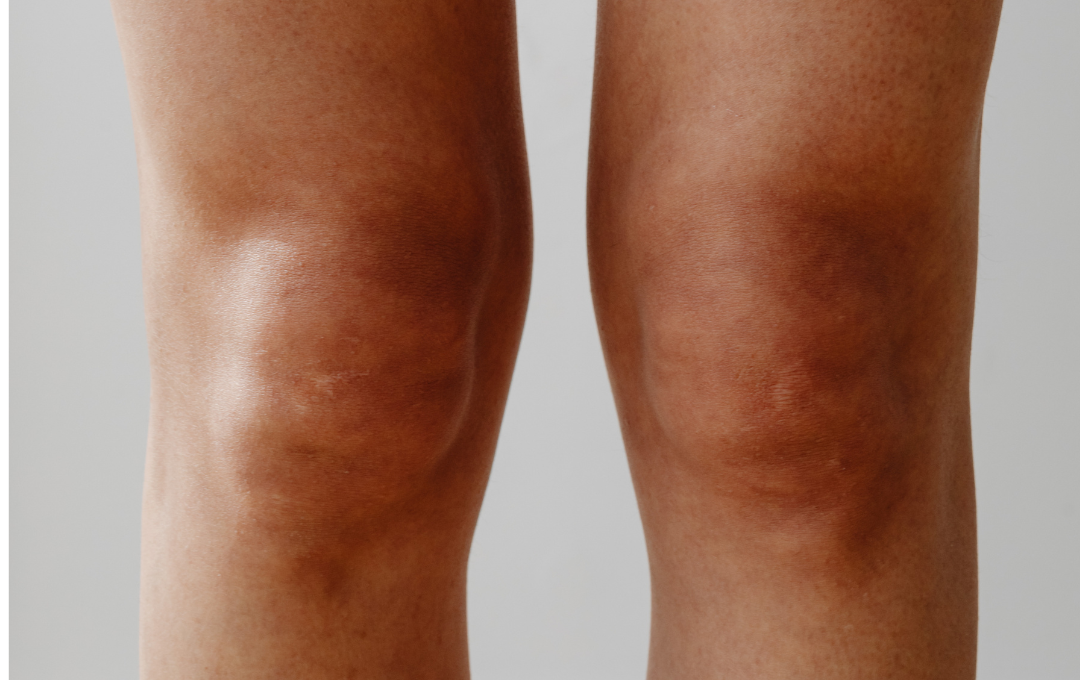
When arthritis affects your knee, understanding which type you have matters. Knee osteoarthritis is usually a localized problem. The joint bears weight, so OA often develops there due to cumulative stress. Because it is localized to one joint, treatment options can be targeted specifically to that area.
Rheumatoid arthritis can affect the knee, but it is rarely the only joint involved. When RA does hit the knee, it usually affects both knees equally and is part of a broader disease process affecting other joints and the body overall. The inflammation is more aggressive and can damage the joint more quickly without proper treatment.
This distinction matters. If your knee pain is localized to one joint without symptoms in your hands, feet, or other areas, knee osteoarthritis is likely the diagnosis. This opens the door to treatment options designed specifically for localized knee pain that do not require addressing a systemic condition.
Symptoms to Help You Tell the Difference
Osteoarthritis Knee Symptoms
- Pain that worsens after physical activity and improves with rest
- Morning stiffness that goes away within 30 minutes of moving
- Mild swelling (sometimes)
- Possible crunching or grinding sensation in the joint
- Usually one knee bothers you more than the other
- Symptoms develop gradually over months or years
The location and intensity of these symptoms can vary, and understanding what knee arthritis feels like can help you recognize common pain patterns associated with joint changes.
Rheumatoid Arthritis Knee Symptoms
- Prolonged morning stiffness lasting more than an hour
- Both knees often affected equally
- Significant swelling, warmth, and redness around the knee
- Pain may not improve much with rest
- Accompanied by fatigue, fever, and general achiness
- Symptoms can develop and worsen within weeks
- Flare-ups where symptoms suddenly get worse
For a closer look at how OA and RA pain actually feels day to day, see our guide on what knee arthritis pain feels like.
When to See a Specialist
If your knee pain fits the osteoarthritis pattern, meaning it is localized to one joint, worse with activity, and accompanied by brief morning stiffness, consider scheduling an evaluation with a pain specialist. A specialist can confirm whether you have knee OA and discuss options for managing pain while maintaining mobility.
If your symptoms suggest rheumatoid arthritis, such as symmetric pain, prolonged stiffness, and systemic symptoms like fever and fatigue, your primary care doctor can refer you to a rheumatologist for diagnosis and disease-modifying treatment.
Diagnostic tools like X-rays, MRI, and blood tests can help confirm which type of arthritis you have. Modern medicine offers more options than ever before. If you have knee osteoarthritis, non-surgical approaches tailored to your specific condition may help you manage pain without joint replacement.
Treatment option: GAE
Understanding Your Arthritis Type Matters. Knowing Your Options Matters More.
Once you understand whether your knee pain comes from osteoarthritis, tracking symptoms and modifying activity can help you feel better day to day. But self-management alone does not address the underlying joint changes causing your pain.
Genicular Artery Embolization (GAE) is a minimally invasive, outpatient procedure for knee osteoarthritis pain that does not require surgery or a hospital stay. A pain specialist can evaluate your candidacy and discuss whether this non-surgical option fits your situation.
FAQs About Knee Arthritis vs. Rheumatoid Arthritis
Ready to learn more about managing your knee pain?
- Fox, David. “How Osteoarthritis and Rheumatoid Arthritis Differ.” Michigan Medicine, University of Michigan Health, michiganmedicine.org.
- Harvard Health Publishing. “Explain the Pain: Is It Osteoarthritis or Rheumatoid Arthritis?” Harvard Medical School, health.harvard.edu.
- WebMD. “Rheumatoid Arthritis vs Osteoarthritis: What’s the Difference?” webmd.com.
- National Institute of Arthritis and Musculoskeletal and Skin Diseases. “Osteoarthritis.” National Institutes of Health, nih.gov.
- Arthritis Foundation. “Osteoarthritis vs. Rheumatoid Arthritis.” arthritis.org.
Medical disclaimer: This article provides educational information about knee osteoarthritis and pain management options. It is not a diagnosis or medical advice. Only a qualified pain management specialist can determine whether you have knee arthritis or recommend appropriate treatment. If you have knee pain, consult a healthcare provider or contact USA Pain Center for an evaluation.