Medically reviewed by
USA Clinics Medical Review Team
Clinical expertise in knee osteoarthritis care
Reviewed: August 2026
Living with knee osteoarthritis means building daily habits that ease joint stress while watching for signs that may indicate that conservative care is no longer enough. Simple changes such as gentle exercise, weight management, and smart pacing can help you stay active and reduce day-to-day pain.
But knee osteoarthritis is a progressive condition, and lifestyle steps that worked last year may not be enough forever. Knowing what to try at home, and recognizing when your knee is asking for more than home care can offer, puts you back in control of the next step.
Key Takeaway
Daily lifestyle habits can effectively reduce knee osteoarthritis pain and stiffness, but they cannot treat the condition. If pain, swelling, or stiffness keep progressing despite consistent self-management, it may be worth learning more about genicular artery embolization (GAE), a minimally invasive option for appropriate candidates.
What Daily Habits Help Knee Osteoarthritis?
Knee osteoarthritis occurs when the protective cartilage inside the joint wears away, causing chronic pain, inflammation, and stiffness. While this joint degeneration can make everyday movement difficult, small lifestyle changes along with advanced minimally invasive treatments like genicular artery embolization (GAE) can provide effective symptom relief without the need for major surgery.
Small, consistent habits often make the biggest difference in day-to-day comfort. Staying active is one of the most protective things you can do for an arthritic knee, since motion helps keep joint fluid moving and muscles supporting the joint from weakening.
Maintaining a healthy body weight also matters. Every extra pound adds noticeable pressure to the knee joint with each step, so even modest weight loss can meaningfully ease pain and slow symptom progression.
Pacing activities and protecting the joint helps too. Alternating movement with rest, avoiding repetitive high-impact motion like running on hard surfaces, and using proper footwear can reduce daily strain. Heat can help loosen a stiff knee in the morning, while cold therapy can calm swelling after a more active day.
Exercise and Movement for Knee Osteoarthritis
Clinical guidelines recommend regular, structured exercise as a primary treatment for knee osteoarthritis, usually alongside patient education and weight management.
Strengthening the muscles around the knee, especially the quadriceps and hip muscles, helps stabilize the joint and can reduce pain during daily movement. Low-impact options like water aerobics, stationary cycling, and walking are gentle on the joint while still building strength and endurance. Tai chi and similar mind-body practices are increasingly recommended as well, since they combine gentle strengthening with balance training. However, pushing through knee pain or avoiding movement entirely can both make symptoms harder to manage.
Building a Sustainable Routine
The best exercise plan is one you can stick with. Starting with short sessions, such as 10 to 15 minutes, and gradually building up tends to work better than an aggressive plan that leads to burnout or flare-ups. A physical therapist can help tailor a routine to your specific knee and activity level.
What Supplements Are Commonly Suggested for Osteoarthritis?

Many people ask about supplements for joint health, but the evidence behind them is mixed, and no supplement should replace a conversation with your doctor. It can also help to understand what vitamin deficiencies may contribute to knee pain, since correcting a deficiency is different from taking supplements specifically for osteoarthritis.
Glucosamine and chondroitin are among the most studied joint supplements, but research results have been inconsistent. Some clinical guidelines recommend against their use for knee osteoarthritis due to a lack of clear benefit, while other reviews note modest improvements in some patients. Curcumin, the active compound in turmeric, has shown some promising results for pain and function in clinical trials, though formulation and absorption vary widely between products. Omega-3 fatty acids are commonly discussed as well, but current evidence for osteoarthritis specifically is limited compared to other joint conditions.[2][3]
As supplements can interact with medications, including blood thinners, and quality varies by manufacturer, it is worth discussing any supplement with your doctor before starting, particularly if you take other medications.
Treatment Options for Mild Knee Osteoarthritis
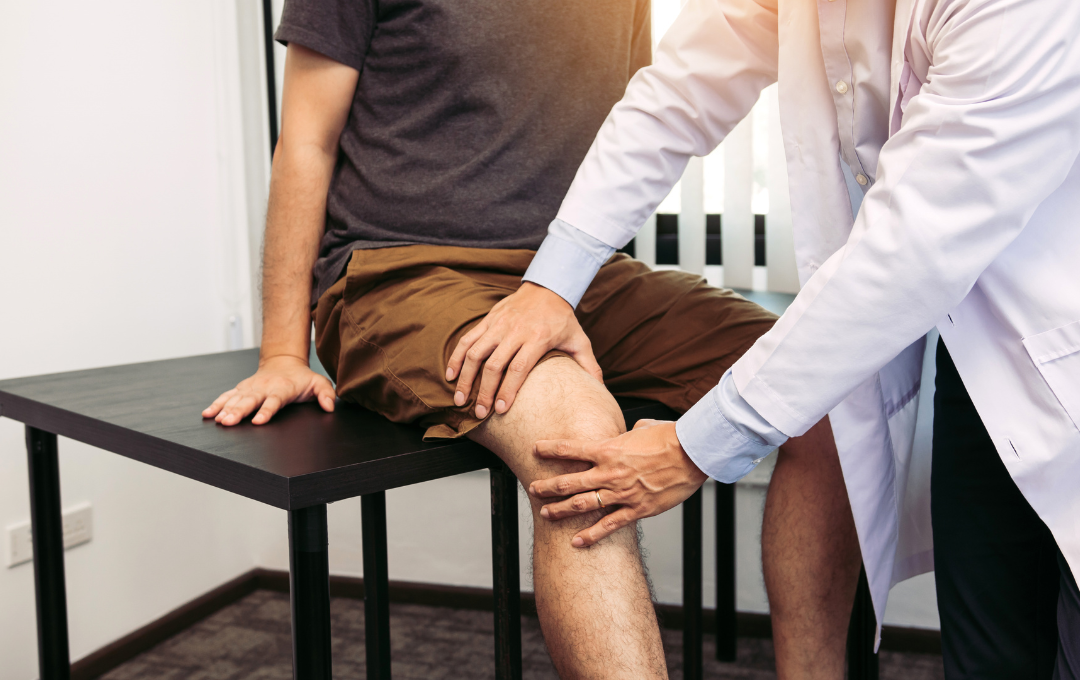
For mild knee osteoarthritis, conservative management is typically the starting point. This can include activity modification, targeted physical therapy, and over-the-counter pain relief used as directed by a doctor. Topical anti-inflammatory treatments are often recommended before oral medications, since they tend to carry a lower risk of side effects.
A knee brace or supportive footwear may also help redistribute pressure across the joint. As symptoms progress beyond what conservative steps can manage, some patients explore additional options, including minimally invasive treatments.
What Do Osteoarthritis Management Guidelines Recommend?
Major clinical guidelines, including those from the Osteoarthritis Research Society International (OARSI), consistently identify patient education and structured exercise, often combined with weight management, as core treatments recommended for nearly everyone with knee osteoarthritis.[1]
Beyond these core steps, recommendations vary depending on individual health factors such as heart or gastrointestinal conditions. Topical anti-inflammatory medications are strongly recommended by most guideline groups, while the use of supplements, injections, and other add-on therapies is typically considered on a case-by-case basis with your doctor.
When Lifestyle Management Is No Longer Enough
Lifestyle changes and conservative care can meaningfully manage knee osteoarthritis symptoms for a long time, but osteoarthritis is a progressive condition. It may be time for a specialist evaluation if you notice pain that continues to worsen despite consistent home management, swelling or stiffness that does not improve, or a knee that feels unstable during normal activity.
These signs may point to more advanced joint changes, which you can learn more about in our overview of knee osteoarthritis causes. For patients whose symptoms have moved beyond what conservative care addresses, genicular artery embolization (GAE) is a minimally invasive, image-guided option that targets inflammation associated with knee osteoarthritis. It may help reduce pain in appropriate candidates without requiring surgery.
A specialist evaluation, which can include a physical exam and imaging, is the clearest way to understand whether you are a candidate for additional treatment. You can schedule a consultation to discuss your options.
Knee Pain Evaluation
Ready to Talk About Your Knee Pain?
If lifestyle changes and conservative care are no longer keeping your knee osteoarthritis symptoms manageable, a specialist evaluation can clarify your options. USA Pain Center specialists focus on diagnosing knee osteoarthritis and offering minimally invasive treatments, including genicular artery embolization (GAE), for appropriate candidates.
Frequently Asked Questions
- Bannuru RR, et al. “OARSI guidelines for the non-surgical management of knee, hip, and polyarticular osteoarthritis.” Osteoarthritis and Cartilage, 2019.
- National Center for Complementary and Integrative Health (NCCIH), National Institutes of Health. “Osteoarthritis: In Depth.”
- National Center for Complementary and Integrative Health (NCCIH), National Institutes of Health. “Glucosamine and Chondroitin for Osteoarthritis: What You Need To Know.”
Medical disclaimer: USA Pain Center content provides medical education only. It is not a diagnosis or treatment recommendation. Consult a pain management specialist for evaluation.