Medically reviewed by
USA Pain Center Medical Team
Reviewed August 2026
Inner knee pain, sometimes called medial knee pain, refers to discomfort on the side of the knee closest to your other leg. It can develop from a sudden injury or build gradually from wear on the joint. Knee osteoarthritis is one of the most common reasons this type of pain shows up, especially in adults over 40. This guide looks at what causes pain on the inside of the knee, how osteoarthritis fits into the picture, and what steps may help you find relief.
What Does Inner Knee Pain Feel Like
Inner, or medial, knee pain sits on the side of the knee nearest the midline of your body. People describe it as a dull ache that builds during the day, a sharp twinge with certain movements, or stiffness that eases once they get moving. The pain may show up during specific activities like climbing stairs, squatting, or twisting, or it may linger even at rest if the joint is inflamed.
Because several structures sit close together on the inner knee, including cartilage, ligaments, and tendons, the exact feeling can vary quite a bit from person to person. Paying attention to when the pain occurs and what makes it better or worse can offer helpful clues.
Common Causes of Pain on the Inside of the Knee
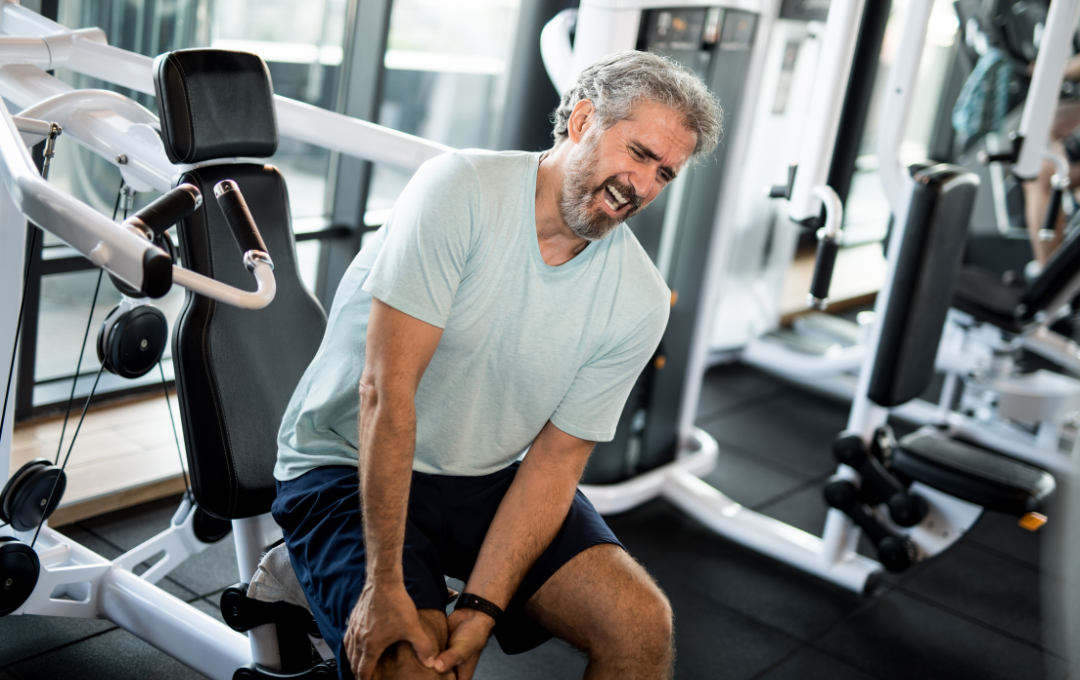
Several conditions can lead to inner knee pain, and the cause often shapes how the discomfort behaves.
Knee Osteoarthritis
Knee osteoarthritis develops as the cartilage that cushions the joint gradually wears down. Because the inner, or medial, side of the knee tends to bear more weight during everyday movement, it is often the first area affected. This can lead to aching that worsens with activity such as walking, climbing stairs, or standing up from a chair, along with stiffness after rest.
Medial Collateral Ligament Strain
The medial collateral ligament runs along the inner knee and helps keep the joint stable. A sudden twist or a blow to the outer knee can stretch or strain this ligament, leading to pain, tenderness, and sometimes mild swelling on the inner side.
Medial Meniscus Injury
The meniscus is a piece of cartilage that cushions the knee joint. The medial meniscus sits on the inner side and can tear from a sudden twisting motion or gradually over time in people with underlying joint issues. A tear may cause sharp pain, a catching sensation, or a feeling that the knee wants to give way.
Pes Anserine Bursitis
A small fluid filled sac called the pes anserine bursa sits just below the inner knee. Overuse or repetitive stress can irritate this bursa, leading to aching pain that is often more noticeable when climbing stairs or getting up from a seated position.
Medial Plica Irritation
A plica is a small fold of tissue inside the knee joint. When irritated from overuse, it can thicken and cause a dull ache along the inner knee, sometimes with a catching or clicking sensation.
Learn More About Knee Osteoarthritis Causes
How Inner Knee Pain Connects to Knee Osteoarthritis
Knee osteoarthritis is one of the leading causes of ongoing inner knee pain, particularly in adults over 40. As cartilage on the medial side of the joint thins, the bones can begin to rub together during movement, which may lead to inflammation, stiffness, and a grinding sensation known as crepitus. You can review a fuller breakdown of typical presentations in our knee osteoarthritis symptoms guide, since the inner compartment often carries more of the body’s weight than the outer knee, making it a common site for early cartilage loss.
Unlike an isolated ligament strain or bursitis flare, osteoarthritis related knee pain tends to build gradually and worsen over time rather than resolve on its own. Recognizing this pattern can help you and a specialist determine whether osteoarthritis may be contributing to your symptoms.
When to See a Specialist
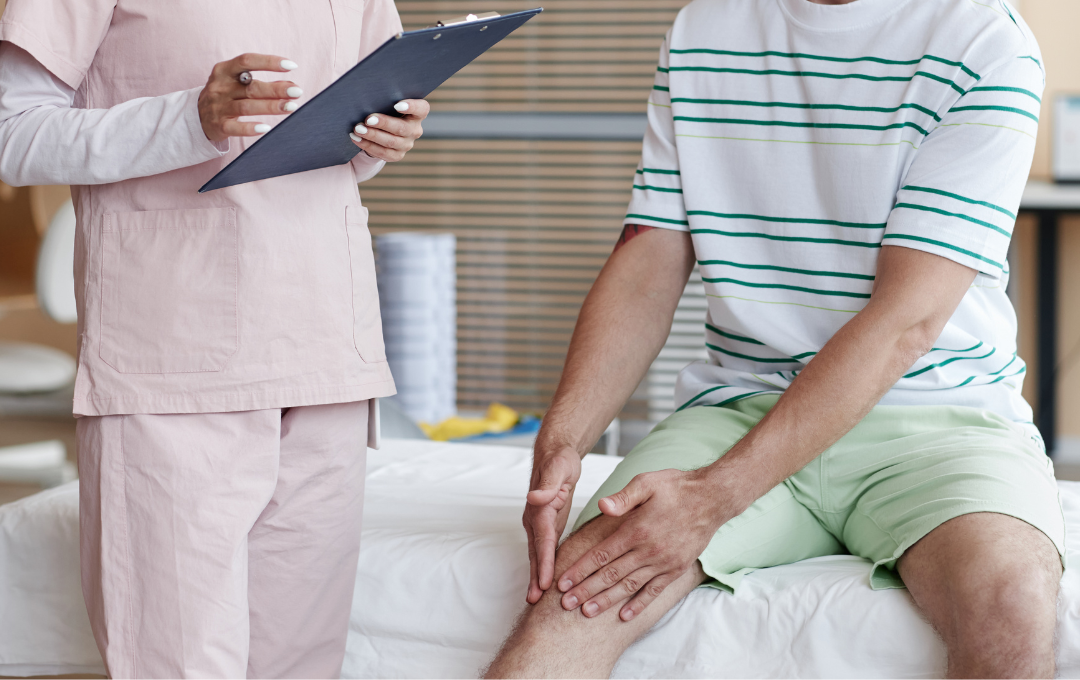
Most mild cases of inner knee pain improve with rest, ice, and activity modification within a few days. It may be time to schedule an evaluation if you notice any of the following.
- Pain that lasts longer than a week despite rest
- Swelling that does not improve or keeps returning
- A feeling of instability or the knee giving way
- Difficulty fully bending or straightening the knee
- Pain that steadily worsens instead of getting better
A specialist can examine the joint, review your symptoms and activity history, and use imaging such as X-rays to help identify what is causing your discomfort.
Steps That May Help Manage Inner Knee Pain
While a diagnosis is the best way to guide treatment, several general steps may help support the joint while you figure out next steps.
- Rest and modify activities that worsen the pain
- Apply ice to reduce swelling and discomfort
- Maintain a healthy weight to reduce stress on the joint
- Strengthen the muscles around the knee, particularly the quadriceps
- Consider low impact activities like swimming or cycling
If symptoms are tied to osteoarthritis and conservative steps are not providing enough relief, a specialist can walk you through additional options, including minimally invasive treatments designed to target inflammation in the joint.
Knee Pain Evaluation
Ready to Get Your Knee Evaluated?
If inner knee pain is affecting your daily activities, or if you suspect osteoarthritis may be behind your symptoms, professional evaluation is the best first step. USA Pain Center specialists are experienced in diagnosing knee conditions and discussing minimally invasive treatment options for patients with symptomatic osteoarthritis.
Unlike traditional approaches, USA Pain Center uses advanced imaging and minimally invasive techniques to target the root cause of knee pain: inflammation in the joint. If you are a candidate for treatment, your specialist will discuss options with you in detail.
Frequently Asked Questions
References
- National Institute of Arthritis and Musculoskeletal and Skin Diseases. Osteoarthritis. National Institutes of Health.
- Cleveland Clinic. Inner (Medial) Knee Pain. Cleveland Clinic Health Library.
- Mayo Clinic. Osteoarthritis – Symptoms and Causes. Mayo Foundation for Medical Education and Research.
Medical disclaimer: USA Pain Center content provides medical education only. It is not a diagnosis or treatment recommendation. Consult a pain management specialist for evaluation.