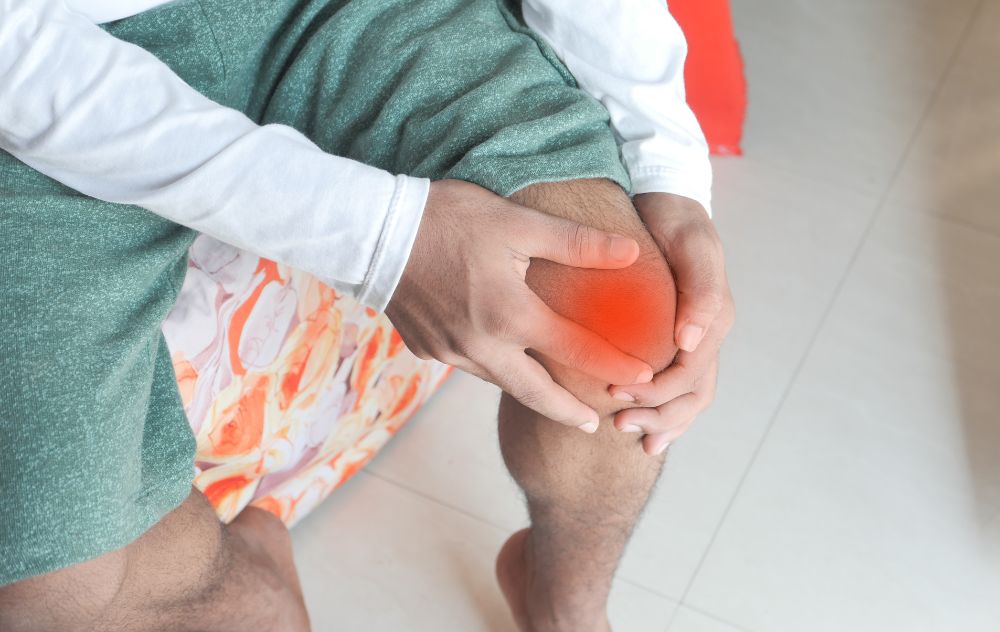
Knee pain that comes and goes can be easy to brush off—especially if it starts gradually. But for many people, that discomfort may be a sign of osteoarthritis of the knee, a common joint condition that can worsen over time.
So, is osteoarthritis of the knee painful? The short answer is yes—but the way that pain presents can vary from person to person.
What Is Osteoarthritis of the Knee?
Osteoarthritis of the knee occurs when the protective cartilage that cushions the joint begins to break down. Over time, this leads to increased friction between the bones, which can trigger inflammation, stiffness, and pain.
It is one of the most common causes of chronic knee pain, especially in adults over 40, though younger individuals can develop it as well.
Is Osteoarthritis of the Knee Always Painful?
Osteoarthritis of the knee is often painful, but not always in the early stages.
Some people may notice mild discomfort at first, while others experience more persistent symptoms as the condition progresses. Pain tends to develop gradually and may become more noticeable with certain movements or activities.
In many cases, the pain becomes more consistent over time if the underlying joint changes are not addressed.
What Does Osteoarthritis Knee Pain Feel Like?
The pain associated with osteoarthritis of the knee is not always sharp or sudden. It is often described as:
- A dull, aching sensation in or around the knee
- Stiffness, especially in the morning or after sitting
- Pain that worsens with activity, such as walking or climbing stairs
- Tenderness when pressing on the joint
- A feeling of grinding or clicking during movement
Some patients also report swelling or a reduced range of motion, which can make everyday activities more difficult.
When Is Osteoarthritis Knee Pain Most Noticeable?
Pain from osteoarthritis of the knee typically follows patterns. It may be more noticeable:
- After prolonged activity or standing
- At the end of the day
- During changes in weather for some individuals
- After periods of inactivity, such as sitting for long stretches
As the condition progresses, pain may occur even during rest.
Why Does Osteoarthritis of the Knee Cause Pain?
The pain is not just from cartilage loss alone. Several factors contribute to discomfort:
- Bone-on-bone friction as cartilage wears down
- Inflammation within the joint
- Changes in surrounding tissues, including ligaments and muscles
- Bone spurs, which can develop over time
Together, these changes can make movement uncomfortable and, in some cases, limit mobility.
How Osteoarthritis Knee Pain Can Affect Daily Life
Osteoarthritis of the knee can impact more than just physical comfort. It can interfere with routine activities such as:
- Walking or standing for extended periods
- Climbing stairs
- Exercising or staying active
- Sleeping comfortably
Over time, reduced mobility may also affect overall quality of life if symptoms are not managed.
When Should You See a Doctor for Knee Pain?
It may be time to seek medical evaluation if you notice:
- Persistent knee pain that does not improve
- Swelling or stiffness that limits movement
- Pain that interferes with daily activities
- Symptoms that worsen over time
Early evaluation can help determine the cause of your symptoms and guide appropriate treatment options.
A Non-Surgical Approach to Knee Pain Relief
For patients who want to avoid surgery or are not ready for joint replacement, there are minimally invasive options available.
One option is Genicular Artery Embolization (GAE), a non-surgical procedure designed to target inflammation in the knee.
During GAE:
- A specialist identifies the small arteries contributing to inflammation
- These vessels are carefully treated to reduce abnormal blood flow
- This helps decrease inflammation and relieve pain over time
GAE is performed in an outpatient setting and does not require major incisions, making it a potential option for patients seeking a less disruptive path to relief.
Why Patients Are Exploring GAE at USA Pain Center
At USA Pain Center, specialists focus on diagnosing the source of knee pain and creating personalized treatment plans based on each patient’s needs.
Patients choose this approach because:
- It is minimally invasive and outpatient-based
- It targets inflammation, not just symptoms
- Recovery time is typically shorter than surgical options
- Treatment plans are tailored after a thorough evaluation
Take the Next Step Toward Knee Pain Relief
Osteoarthritis of the knee can be painful—but that does not mean you have to live with it.
If your knee pain is persistent or affecting your quality of life, it may be time to explore treatment options that go beyond temporary fixes. A specialist can help you understand what is causing your pain and whether a minimally invasive approach like GAE could be right for you.