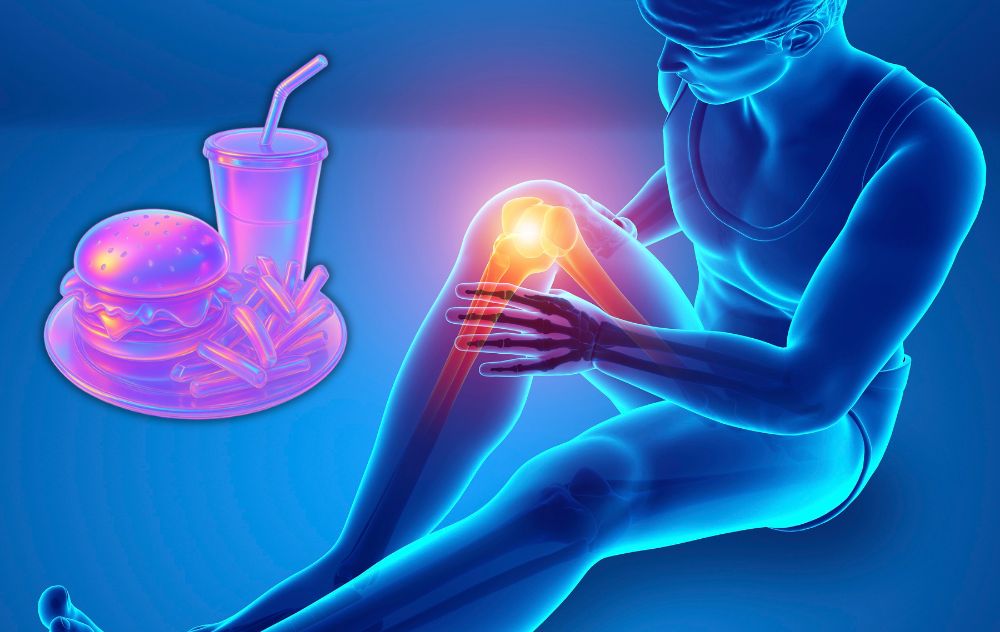
Knee arthritis can make everyday movement harder, from climbing stairs to getting out of a chair. If your knees feel stiff, swollen, or painful, it is natural to wonder whether something in your diet could be making symptoms worse. While food does not directly “cause” arthritis damage overnight, certain eating patterns may increase inflammation, contribute to weight gain, or aggravate joint discomfort in some people.
The good news is that understanding which foods may be linked to flare-ups can help you make smarter choices and support your knees over time.
Can Food Affect Knee Arthritis Symptoms?
Yes, food may influence knee arthritis symptoms in several ways:
- Inflammation: Some foods are associated with higher levels of inflammation in the body.
- Weight gain: Extra body weight increases pressure on the knee joints.
- Blood sugar spikes: Highly processed foods may affect energy levels and inflammatory pathways.
- Overall joint health: Nutrient-poor diets may not support muscles, bones, and cartilage as well as balanced diets.
Not everyone reacts the same way, but many people notice certain foods seem to worsen stiffness or pain.
More On Knee Arthritis Symptoms
Foods That May Make Knee Arthritis Worse
Foods that may make knee arthritis worse include sugary snacks, fried foods, processed meats, refined carbohydrates, and heavily processed meals that can contribute to inflammation or weight gain.
Sugary Foods and Drinks
Sodas, candy, pastries, sweetened coffee drinks, and desserts can add excess sugar to your diet. Diets high in added sugar have been linked to inflammation and weight gain, both of which may worsen knee arthritis symptoms.
Examples include:
- Soda
- Candy
- Cakes and cookies
- Sweetened cereals
- Energy drinks
Highly Processed Foods
Packaged snacks, fast food, and heavily processed meals often contain refined carbohydrates, unhealthy fats, and excess sodium. These foods may contribute to inflammation and can make it harder to maintain a healthy weight.
Examples include:
- Chips
- Frozen fried foods
- Fast food burgers
- Processed snack cakes
- Instant noodles
Fried Foods
Deep-fried foods may contain compounds formed during high-heat cooking that are associated with oxidative stress and inflammation.
Examples include:
- French fries
- Fried chicken
- Fried appetizers
- Donuts
Processed Meats
Some processed meats are high in sodium, preservatives, and saturated fat. Eating them often may not support overall joint health.
Examples include:
- Bacon
- Sausage
- Hot dogs
- Deli meats
- Pepperoni
Excess Alcohol
Too much alcohol may increase inflammation, interfere with sleep, and affect recovery. Poor sleep alone can make pain feel worse.
Refined Carbohydrates
White bread, pastries, and many low-fiber packaged foods digest quickly and may cause blood sugar spikes. Over time, this may be linked to increased inflammation.
Examples include:
- White bread
- White pasta
- Sugary cereals
- Crackers made with refined flour
Are Tomatoes, Dairy, or Nightshades Bad for Arthritis?
Some people report that foods like tomatoes, peppers, eggplant, or dairy worsen their joint pain. However, evidence is mixed, and these foods do not affect everyone the same way.
Instead of assuming you need to cut them out completely, it may help to track symptoms after eating them and discuss patterns with a healthcare provider.
Foods That May Help Support Knee Health
Just as some foods may worsen symptoms, others may help support joint health and overall wellness.
Anti-Inflammatory Choices
Consider including:
- Fatty fish like salmon
- Berries
- Leafy greens
- Olive oil
- Nuts and seeds
- Beans
- Whole grains
Foods That Support a Healthy Weight
A balanced, portion-conscious diet can help reduce stress on your knees. Even modest weight loss may reduce pressure on the joint.
When Knee Pain May Need More Than Diet Changes
Food choices can play a role, but they are only one piece of the puzzle. Knee arthritis pain may also be related to cartilage wear, inflammation inside the joint, reduced mobility, or mechanical stress. When symptoms persist, pushing through knee pain rather than responding to what your knee is telling you may aggravate discomfort and make it harder to stay active.
If knee pain is affecting your daily life, treatment options may include:
- Physical therapy
- Activity modification
- Minimally invasive procedures such as Genicular Artery Embolization
- Surgical evaluation when appropriate
How GAE May Help Treat Knee Arthritis Pain
If diet changes, exercise, or medications are not providing enough relief, some patients may be candidates for Genicular Artery Embolization (GAE). This minimally invasive outpatient procedure is used to treat knee pain related to osteoarthritis by targeting abnormal blood vessels associated with inflammation in the knee lining.
During the procedure, a specialist uses imaging guidance to place a small catheter into targeted arteries near the knee and deliver tiny particles that reduce excess blood flow contributing to inflammation. No large incisions are required, and recovery is typically shorter than with major surgery.
Potential benefits for eligible patients may include:
- Reduced knee pain
- Improved daily function
- Better mobility
- Outpatient treatment with little downtime
- An option for patients who are not ready for knee replacement
Explore Knee Arthritis Relief at USA Pain Center
If knee arthritis pain is limiting your mobility, it may be time to explore treatment options beyond diet changes alone. USA Pain Center offers evaluations for knee pain and non-surgical treatment options for eligible patients, including outpatient care designed to help you move more comfortably.
Frequently Asked Questions
What foods trigger arthritis flare-ups?
Commonly reported triggers include sugary foods, processed foods, fried foods, and excessive alcohol. Triggers vary from person to person.
Is coffee bad for knee arthritis?
Coffee is not automatically bad for arthritis. What is added to it, such as sugar or high-calorie creamers, may matter more for some people.
Does losing weight help knee arthritis?
Yes, reducing excess weight may decrease pressure on the knees and improve symptoms.
Can diet cure knee arthritis?
No. Diet cannot cure arthritis, but it may help manage symptoms and support overall joint health.