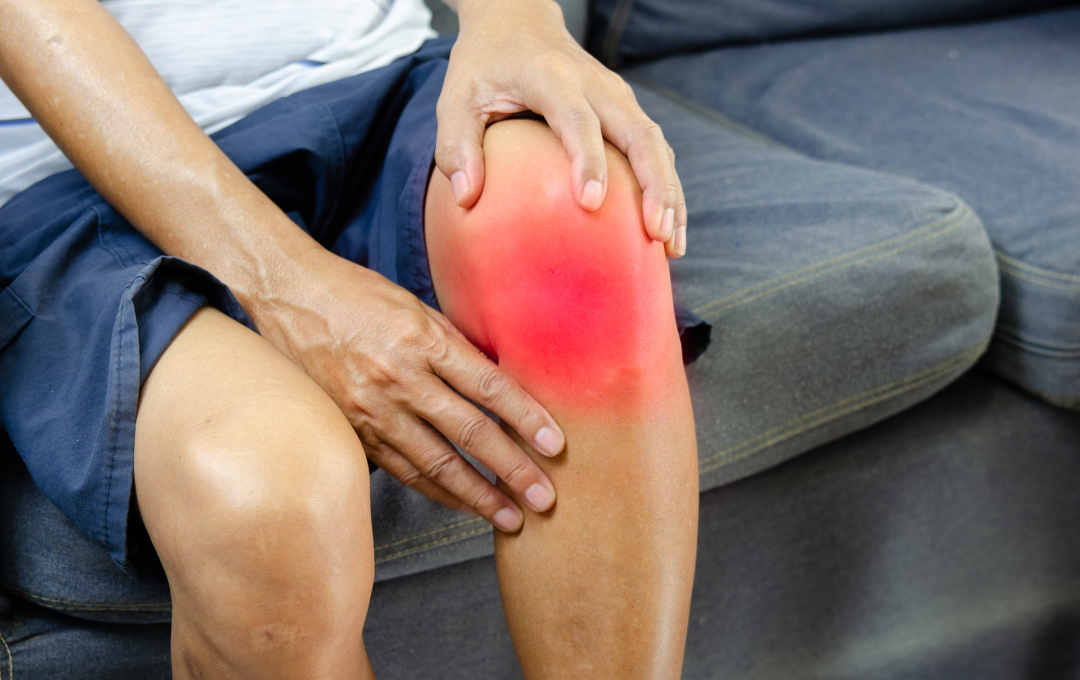
If your knee hurts every time you bend it, you may wonder whether it’s a temporary problem that will improve with rest or a symptom of a more serious joint condition. Occasional soreness after physical activity is common, but persistent pain when bending the knee shouldn’t be ignored, especially if it affects walking, climbing stairs, exercising, or other daily activities.
Knee pain while bending can result from a range of conditions, from overuse injuries and inflammation to cartilage damage and arthritis. Paying attention to where the pain occurs, when it happens, and whether it is accompanied by symptoms such as swelling, stiffness, or clicking can help identify the underlying cause.
Common Causes of Knee Pain When Bending
The way knee pain feels when you bend can provide important clues about its cause. Because bending places pressure on multiple structures within the joint, pain during this movement may develop when cartilage, tendons, ligaments, or other tissues become irritated, inflamed, injured, or worn down.
Some people experience knee pain after bending as a dull ache, while others notice sharp pain, stiffness, swelling, or clicking.
When your knee hurts when you bend it, some likely causes of this pain include:
Osteoarthritis
Knee osteoarthritis is the most common type of arthritis affecting the knee. It occurs when cartilage that cushions the ends of the bones gradually wears away over time. As this protective cartilage deteriorates, the bone and surrounding tissues experience more stress during movement, which can make bending your knee painful and contribute to stiffness or swelling
You may notice pain when getting out of a chair, using stairs, or squatting. Symptoms often become more common with age, although previous knee injury and other factors can increase the risk.
Patellofemoral Pain Syndrome
Patellofemoral pain syndrome, commonly known as runner’s knee, causes pain around or behind the kneecap. Despite its name, the condition can affect runners and non-runners alike. It develops when repetitive stress, overuse, muscle imbalances, or changes in the way the kneecap moves irritate the tissues surrounding the joint. Pain may show up while squatting, climbing stairs, or sitting with your knees bent for an extended period. If your knee aches when bent but feels better when straightened, it may be due to irritation around the kneecap.
Meniscus Injury
The menisci are cartilage pieces cushioning the knee joint. A meniscus can tear during twisting or pivoting, or develop gradually over time as the cartilage naturally wears down.
Meniscus injuries may cause pain when bending or straightening the knee, along with swelling, stiffness, catching, clicking, or a feeling like the knee is locking.
Tendinitis
Pain that develops gradually after repetitive physical activity may be caused by tendinitis. When a tendon becomes irritated from repeated stress, the front of the knee may hurt during bending, jumping, running, or climbing stairs. Symptoms can initially appear only during exercise before becoming more persistent.
Bursitis
Bursae are small fluid-filled sacs that reduce friction around joints. When a bursa near the knee becomes inflamed, it is called knee bursitis.
Depending on which bursa is affected, bending or pressing on the knee may cause pain, along with swelling, warmth, and tenderness.
Ligament Injuries
Several knee ligaments stabilize the joint, including the ACL, PCL, MCL, and LCL. Sudden twisting, direct impacts, and sports injuries can damage these ligaments.
In addition to knee pain when bending, ligament injuries may cause swelling, instability, or difficulty putting weight on the affected leg. A healthcare professional should evaluate more serious injuries.
What Knee Pain After Bending May Mean
If your knee hurts after bending, it may be a sign that tissues within or around the joint have become irritated or inflamed.
Repeated stress from activities like exercising, gardening, climbing stairs, prolonged sitting, or repeated squats can put pressure on the knee and trigger discomfort that lingers after the activity ends.
Pain location matters, too. Pain at the front of the knee may be related to the kneecap or surrounding tendons, while pain along the sides, inside, or back of the knee may point to other areas of the joint. Swelling, warmth, stiffness, or tenderness may also suggest inflammation is contributing to your symptoms.
What Symptoms Can Occur With Knee Pain While Bending?
Knee joint pain while folding typically refers to bending the knee, such as when sitting down, squatting, kneeling, climbing stairs, or bringing your heel toward your buttock. Knee pain during these movements may occur on its own or alongside other symptoms. Noticing these changes can help a healthcare provider determine the cause.
Depending on the cause, you may experience:
- Swelling around the knee
- Stiffness
- Tenderness
- Redness or warmth
Some conditions can also cause popping or clicking sounds, reduced range of motion, instability, or difficulty fully bending or straightening the leg. Serious symptoms, such as a hot, red, swollen knee accompanied by fever, warrant immediate medical evaluation.
What Can You Do for Knee Pain When Bending?
Treating knee pain depends on the cause and the severity of your symptoms. Reducing activities that aggravate your symptoms can give irritated tissues time to recover. Ice may help with pain and swelling following activity or a minor injury. Depending on your health history, over-the-counter pain medications may also be appropriate.
However, continuing to exercise through significant pain may worsen some injuries, so consult a doctor if you have persistent pain or swelling.
When to See a Doctor About Knee Bend Pain
Occasional mild soreness may resolve with rest, but persistent knee pain when bending shouldn’t be ignored.
Consult a specialist at USA Pain Center if knee pain:
- Lasts more than a few days
- Repeatedly returns
- Interferes with normal activities
- Makes it difficult to move
- Is accompanied by frequent swelling, locking, or giving out
Following your consultation, your doctor will have a better understanding of what is causing your knee pain. If knee osteoarthritis is contributing to your symptoms, your doctor may recommend genicular artery embolization (GAE), a minimally invasive treatment that reduces abnormal blood flow associated with inflammation in the knee joint. By decreasing inflammation, GAE can help reduce pain and improve function without surgery.
Don’t Let Knee Pain Limit Your Movement
When bending your knee is painful, identifying the cause is the first step toward finding the right treatment, including GAE. Knee pain can result from temporary overuse or be linked to conditions such as osteoarthritis, tendinitis, bursitis, or a meniscus injury.
If your symptoms persist, a medical evaluation can help identify the cause of your pain and the most appropriate treatment options.
For patients with knee pain caused by osteoarthritis, treatment may include lifestyle modifications, physical therapy, medication, or minimally invasive procedures such as genicular artery embolization (GAE).
GAE is an image-guided outpatient procedure that targets the blood vessels involved in chronic knee inflammation. Because it does not require major surgery or joint replacement, it may offer relief for patients whose knee osteoarthritis pain continues despite conservative treatment.
Our care team at USA Pain Center specializes in minimally invasive, image-guided treatments for knee osteoarthritis and is committed to supporting patients from consultation through recovery.
FAQs About Knee Pain When Bending
How do I know if knee pain is serious?
Serious knee pain can cause significant swelling, instability, or an inability to move the knee fully. A red, hot, swollen knee accompanied by fever should be evaluated promptly.
Why does my knee hurt when I bend it but not when I walk?
Some knee conditions are only painful when the joint is bent because bending places greater pressure on specific structures within the knee. For example, problems involving the kneecap, cartilage, meniscus, tendons, or joint lining may become painful during activities such as squatting, kneeling, climbing stairs, or getting up from a chair, while walking on a flat surface may cause little or no discomfort.
The specific movement that triggers your pain can provide important clues about its cause, which is why a medical evaluation may be helpful if symptoms persist.
Can knee pain when bending go away on its own?
Mild knee pain from overuse or temporary irritation often improves with rest, activity modification, and other conservative measures. However, pain that lasts several weeks, repeatedly returns after improving, or continues to interfere with daily activities may indicate an underlying condition that requires medical evaluation and treatment.
Should I use ice or heat for knee pain when bending?
Ice is generally recommended when knee pain is accompanied by swelling, warmth, or irritation, such as after exercise, a minor injury, or a pain flare-up. Applying ice for 15 to 20 minutes at a time may help reduce discomfort and inflammation.
Heat is often more helpful for chronic stiffness or achiness, particularly before activity. It can improve circulation and help loosen muscles and soft tissues around the joint, making movement more comfortable.
If you’re unsure which to use, consider whether your knee feels swollen and inflamed or simply stiff and tight. Some people benefit from using heat before activity and ice afterward if symptoms worsen.