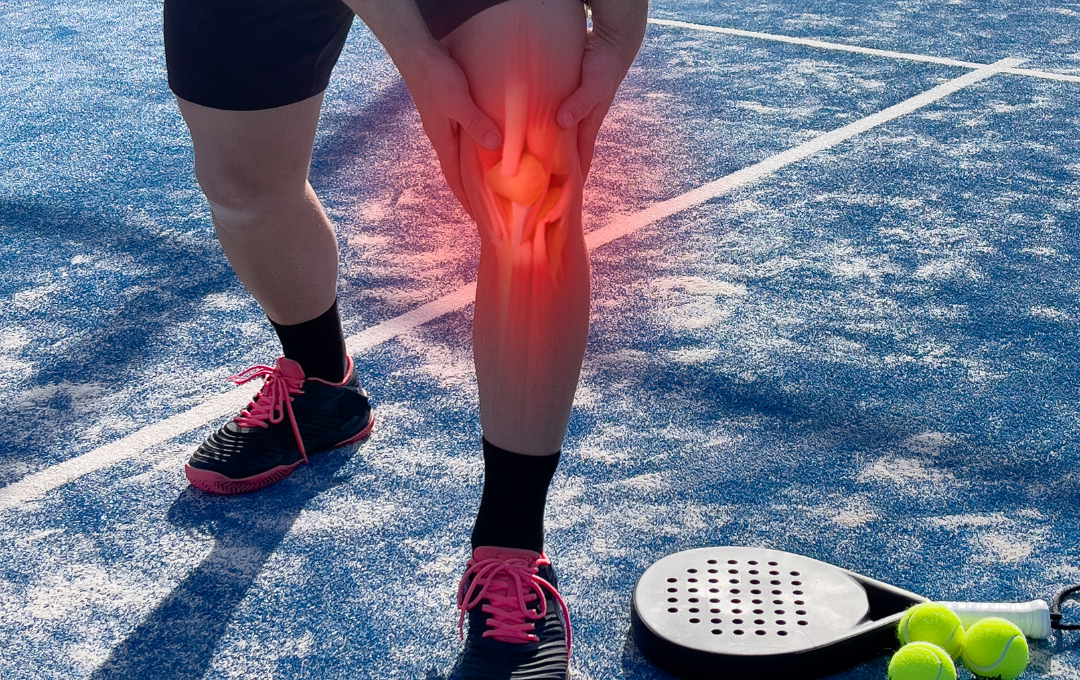
When you injure your knee, the immediate pain and swelling you experience is acute pain. This is a temporary, healthy response that tells your body to start healing. However, when knee pain persists for months despite rest, ice, and medication, it becomes chronic pain. This long-term discomfort is no longer a normal healing signal; instead, it means a continuous cycle of inflammation has taken over the joint.
If standard treatments have failed to bring relief, the issue usually is not just basic wear-and-tear. Instead, the knee is trapped in a biological loop where continuous stress causes the body to grow an abnormal network of new blood vessels and hyper-sensitive nerves inside the joint lining. These new vessels constantly feed inflammatory cells directly into the knee, which is why temporary fixes like ice or pain relievers cannot provide lasting improvement. Healing and recovery can only begin once a treatment directly targets and shuts down this underlying vascular inflammation, allowing the joint to finally heal.
Acute vs. Chronic Knee Inflammation: What’s the Difference?
When you experience joint discomfort, understanding what is happening beneath the surface is helpful to find the right treatment. While swelling is a standard part of the body’s defensive system, the nature of that response changes dramatically over time.
Acute Knee Inflammation
Acute inflammation is the body’s immediate, healthy healing response to a sudden trauma, such as a meniscus tear, ligament sprain, or direct impact. It is characterized by sharp pain, rapid swelling, redness, and noticeable heat around the joint. Under normal circumstances, this is a temporary state. With standard rest, ice, and conservative care, acute swelling usually resolves within a few weeks as the underlying tissue heals.
Chronic Knee Inflammation
When discomfort persists for months, the joint has transitioned into chronic inflammation. This is a low-grade, persistent inflammatory state where the body continuously attacks its own joint tissues. Instead of sharp, sudden shifts, chronic issues cause a dull, constant ache, deep morning stiffness, and recurrent swelling that flares up with daily activity. This is the frustrating stage where patients realize their pain simply will not improve on its own.
The Transition Point: When Acute Becomes Chronic
The shift from a temporary injury to a permanent problem often traces back to a critical transition point. Repetitive stress, joint misalignment, or an unresolved acute injury begins to degrade the joint’s protective cartilage, sparking a continuous cycle of wear and tear.
Ideally, acute inflammation is supposed to stop once the initial healing is complete. The turning point happens when a temporary injury fails to heal and turns into long-term pain. Normally, initial swelling and pain disappear once a knee injury heals. However, when a joint suffers from chronic wear and tear—such as from osteoarthritis—the constant stress triggers a faulty healing response. The body begins growing an abnormal network of tiny blood vessels and sensitive new nerves inside the knee lining.
Instead of helping the joint, these new blood vessels constantly feed the knee with inflammation and pain signals, locking it into a cycle of chronic swelling and stiffness. True relief cannot begin until this abnormal, inflamed blood supply is restricted at its source.
Check for Knee Osteoarthritis Symptoms
Why Your Knee Pain Won’t Go Away
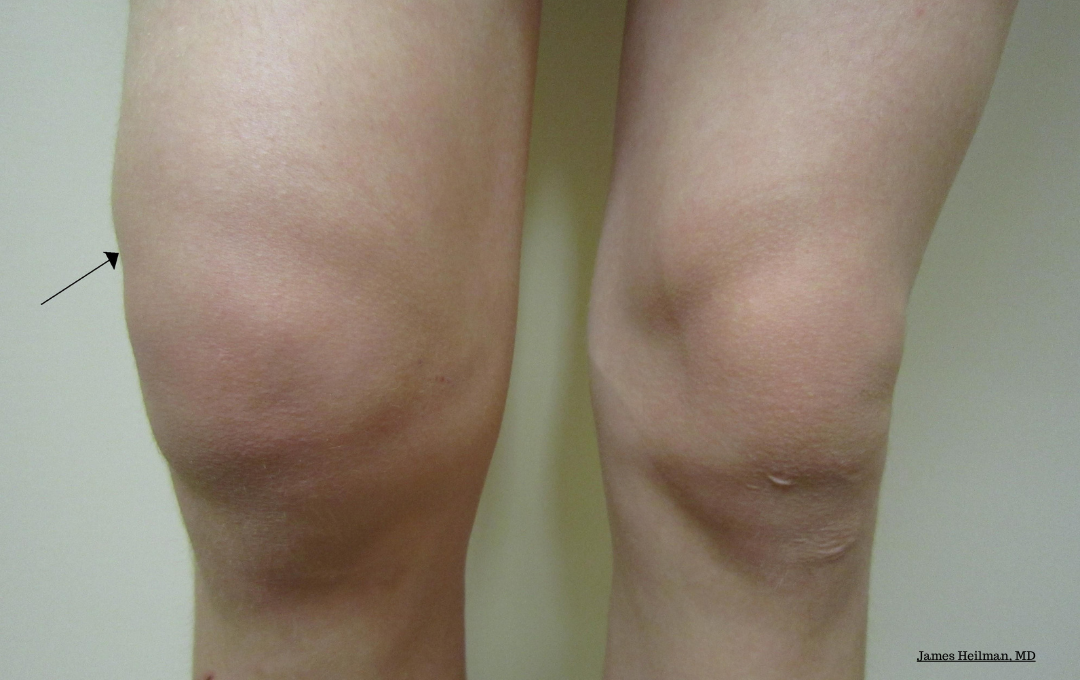
When persistent joint discomfort outlasts standard rest and conservative treatments, the issue often indicates that there has been a complex disruption of the joint’s natural circulatory and inflammatory process that keeps the pain active.
Why your discomfort lingers can include:
- Swollen Joint Lining: The thin tissue that lines and lubricates your knee becomes thick and highly irritated. This causes it to produce too much fluid, leading to constant swelling and water retention in the knee.
- Abnormal Blood Vessel Growth: During this process, the body mistakenly grows a new network of tiny, hyperactive blood vessels in the joint lining. These extra vessels act as pipelines, constantly flooding the knee with inflammatory cells and sensitive, raw nerve fibers that keep the pain turned on.
- Loss of Healthy Blood Flow: While abnormal vessels crowd the joint lining, healthy, nutrient-rich blood flow is cut off from the deeper bone beneath your cartilage. Starved of oxygen and nutrients, this deep bone becomes stressed and damaged, causing a deep, aching pain that standard therapies cannot reach.
Conservative Non-Surgical Knee Pain Treatments
When managing knee osteoarthritis symptoms, healthcare providers typically follow a traditional, stepwise treatment plan. While these conservative methods are common first steps, they frequently provide only temporary relief because they manage symptoms rather than addressing the underlying vascular changes within the joint.
Treatments generally include:
- Lifestyle Changes & Physical Therapy: Weight management and targeted exercises help reduce the mechanical load on the joint and strengthen surrounding muscles. While critical for baseline joint function, physical therapy cannot reverse or halt cellular knee inflammation.
- Oral Medications: Over-the-counter and prescription NSAIDs (like ibuprofen) are routinely used to manage chronic knee pain. However, these medications mask discomfort rather than treating its cause, and long-term use carries significant risks, including gastrointestinal ulcers, cardiovascular strain, and kidney damage.
- Intra-articular Injections: Cortisone or hyaluronic acid “gel” shots are injected directly into the knee to temporarily lubricate the joint or dampen severe inflammation.
Why Injections Stop Working
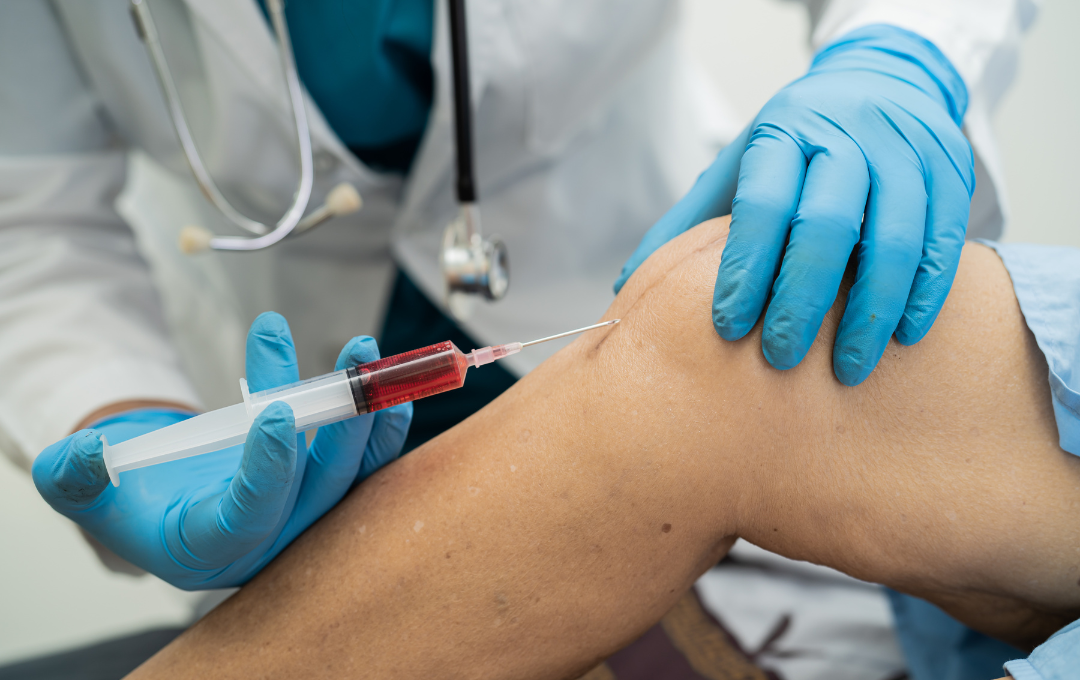
While joint injections can provide immediate, short-term relief, their effects are inherently transient, often wearing off faster with each subsequent dose. This pattern frequently leads to a clinical challenge known as “shot burnout.”
Over time, repetitive cortisone injections can become counterproductive. Frequent steroid exposure risks accelerating the breakdown of remaining cartilage and weakening the surrounding tendons, leaving patients searching for more durable, long-term non-surgical knee pain treatments because their knee pain won’t go away.
A Non-Surgical Option for Chronic Knee Pain: Genicular Artery Embolization (GAE)
If your knee pain just won’t go away—even after trying cortisone shots, physical therapy, and pain medications, it may be time to explore genicular artery embolization (GAE). This is an advanced, minimally invasive procedure that fixes the root cause of severe joint discomfort. Performed by specialized doctors called interventional radiologists, GAE calms down the painful inflammation in your knee without the need for major surgery or a long recovery.
How GAE Blocks Knee Pain at the Source
When you have chronic knee arthritis, your body accidentally grows extra, abnormal blood vessels around the joint. Instead of helping, these extra blood vessels bring too much blood flow to the area, which floods your knee with constant, painful inflammation.
GAE simply calms that inflammation down in three simple steps:
- Simple Access: The doctor numbs a small spot on your upper thigh or wrist and inserts a tiny, flexible tube (smaller than a strand of spaghetti) through a freckle-sized opening. You won’t need stitches.
- Easy Navigation: Using a specialized video screen to see inside your body in real time, the doctor gently guides that tiny tube directly to the blood vessels surrounding your knee.
- Targeted Relief: The doctor releases microscopic particles through the tube to safely reduce blood flow to the irritated area. This starves the painful inflammation, causing it to shrink and fade away.
The procedure only targets the abnormal, painful blood vessels. The healthy blood supply to the rest of your leg and knee is left completely untouched, allowing your joint to heal comfortably.
Get Lasting Relief at USA Pain Center
USA Pain Center offers a specialized approach to managing long-term joint discomfort through advanced, non-surgical knee pain treatments. Our board-certified interventional specialists perform Genicular Artery Embolization (GAE) to directly address the underlying vascular networks driving chronic knee inflammation.
At USA Pain Center, we know that not all knee pain is the same. Acute knee pain comes from a sudden injury and goes away as you heal. Chronic knee pain, however, develops slowly over time from conditions like osteoarthritis, often without any injury at all.
When long-term stiffness and swelling make it hard to walk, use stairs, or stay active, standard injury treatments like rest and ice are no longer enough. That is why our specialists offer genicular artery embolization (GAE)—a non-surgical treatment designed specifically for chronic pain.
Instead of just masking symptoms, GAE targets the root cause of long-term inflammation to reduce daily discomfort and restore your mobility.
If you are ready to move past chronic knee pain, schedule a consultation with a specialist today.