
Has your knee been hurting, but you can’t identify a clear cause? In many cases, knee pain without injury develops gradually due to wear and tear, inflammation, overuse, or an underlying condition such as osteoarthritis.
The location of the pain, whether you have swelling or stiffness, and how long the symptoms have lasted can all help point to the reason behind the discomfort. While it’s tempting to self-diagnose after reviewing potential causes, it is recommended to have a medical professional evaluate your condition to ensure an accurate diagnosis. Understanding the causes should only serve as a guide toward the most appropriate care.
Can Knee Pain Happen Without an Injury?
Knee pain can absolutely occur without a specific injury; it usually develops gradually rather than after one obvious event. Everyday stress on the joint, age-related cartilage breakdown, irritated soft tissues, inflammation, and certain forms of arthritis can cause symptoms to emerge over time. That is why some people notice pain when climbing stairs, standing up from a chair, kneeling, or walking longer distances, even though they never experienced a specific trauma to their knee.
Common Causes of Knee Pain Without Injury
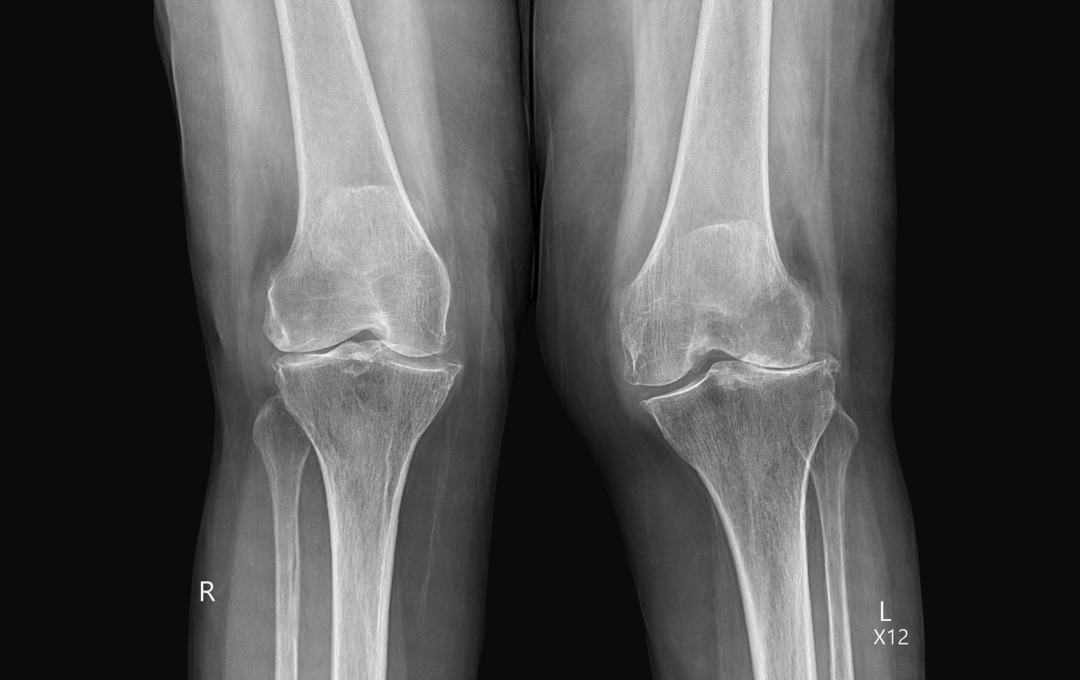
The most common causes include:
Age-Related Wear and Tear
-
Knee Osteoarthritis: This is one of the most common reasons people develop chronic knee pain. It occurs when the cartilage in the joint wears down over time, causing bone-on-bone friction and triggering an inflammatory process. As cartilage deteriorates, the body reacts by developing new blood vessels and nerve endings in the knee. This “hypervascularity” can amplify pain rather than alleviate it. Age, excess weight, repetitive joint stress, and genetics are primary contributors.
Issues Caused by Movement and Activity
-
Patellofemoral Pain Syndrome (PFPS): Also known as “runner’s knee,” this causes pain around the front of the knee and kneecap. It results from repeated use of the joint or patellar misalignment.
-
Tendinitis or Repetitive Strain: This occurs when a tendon becomes irritated from repeated activity. It is common in those whose jobs or hobbies require repetitive motions.
-
Bursitis: This happens when the small, fluid-filled sacs that reduce friction around joints become inflamed.
-
Referred Pain: The body can misinterpret pain signals, perceiving discomfort from the hip or lower back as knee pain.
Systemic or Inflammatory Causes
-
Gout: A type of inflammatory arthritis caused by crystallized uric acid buildup. It often causes sudden flares of intense pain and swelling.
-
Rheumatoid Arthritis: An autoimmune disease that often presents with prolonged morning stiffness in multiple joints.
-
Psoriatic Arthritis: An autoimmune response that attacks joint tissue, resulting in chronic inflammation, morning stiffness, and warmth in the knee.
Knee pain without an obvious injury can sometimes have other contributing factors as well. For example, certain vitamin deficiencies may be linked to knee pain, particularly when discomfort occurs without a clear mechanical cause.
How to Tell If Knee Pain Is From Osteoarthritis

While symptoms overlap, you may be dealing with osteoarthritis if you notice:
-
Pain that worsens with walking or climbing stairs.
-
Knee stiffness after prolonged sitting or resting.
-
Swelling that comes and goes.
-
A grinding, cracking, or “popping” sensation (crepitus).
-
Instability or buckling.
When Should You See a Doctor?
Schedule a consultation if your pain lasts more than a few weeks, progressively worsens, or limits your daily activities.
Seek immediate medical attention if you experience:
-
Significant, rapid swelling: This can indicate a fracture or severe internal injury.
-
Inability to bear weight.
-
Joint locking: Where the knee feels physically trapped or stuck.
-
Redness, heat, and fever: Potential signs of infection.
How Is Knee Pain Diagnosed?
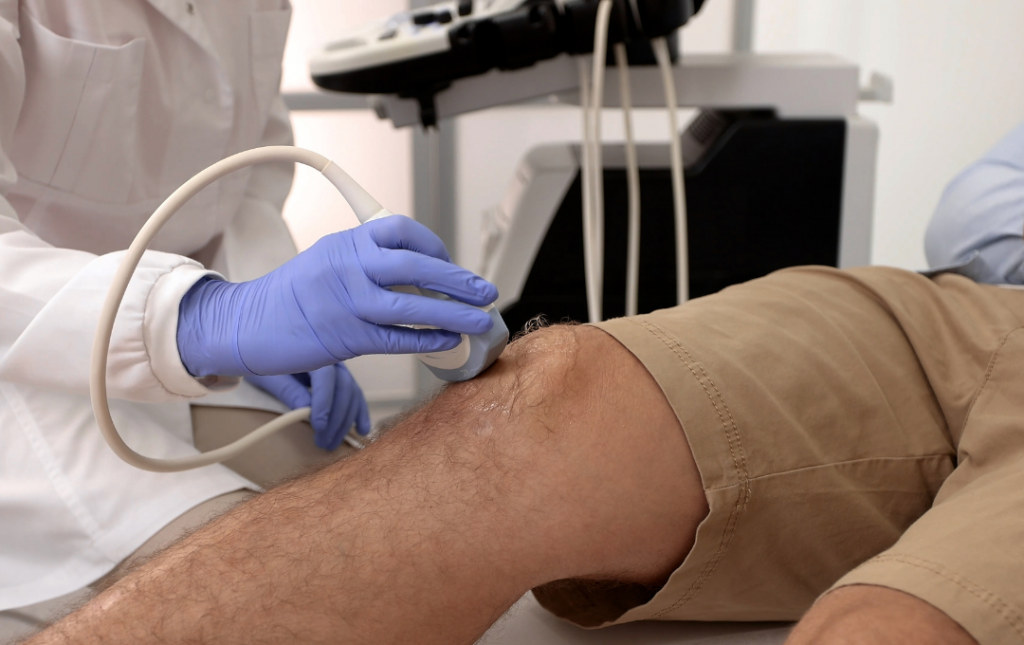
Diagnosis typically involves a physical exam and medical history. While X-rays or MRIs are standard for OA, providers at USA Pain Center often use duplex ultrasounds to visualize abnormal blood vessel growth, which helps pinpoint areas for targeted treatment like GAE.
Treatment Options
Treatment for knee pain without injury depends on the cause and severity of the condition. Activity changes, physical therapy, weight management, anti-inflammatory strategies, bracing, or injections may be first used to manage symptoms. These methods may only provide temporary relief or stop working after multiple sessions.
A total knee replacement is often recommended for patients with persistent knee pain from osteoarthritis. While the procedure is effective, many patients may not want a knee replacement or have underlying conditions that make the procedure risky. This is where genicular artery embolization (GAE) comes in.
GAE is a minimally invasive procedure that targets abnormal blood flow linked to inflammation in the knee. As a result, knee pain and swelling subside. Most patients regain their mobility after their treatment. Because GAE does not require incisions, there is a low risk of serious side effects and complications.
GAE has helped hundreds of patients find long-lasting relief from knee pain.
One USA Pain Center patient, Gregory Clary, a bus driver from New York, had debilitating knee pain that made it difficult to do his job. Learn how GAE helped him get back to work within a week without needing crutches or a cane to walk.
How USA Pain Center Helps Treat Chronic Knee Pain Without Injury
At USA Pain Center, we treat chronic knee pain caused by osteoarthritis, including pain that can develop without a recent injury. When osteoarthritis makes it harder to walk comfortably, use stairs, stay active, or get through everyday routines, our pain specialists evaluate whether genicular artery embolization (GAE) may be the right next step.
The goal of GAE is to help ease ongoing knee pain and make everyday movement feel more manageable. That can mean less discomfort during daily activities and more confidence getting through routines that knee pain has started to limit.
If you’re ready to take the first step toward better mobility, schedule a consultation with a knee pain specialist today.