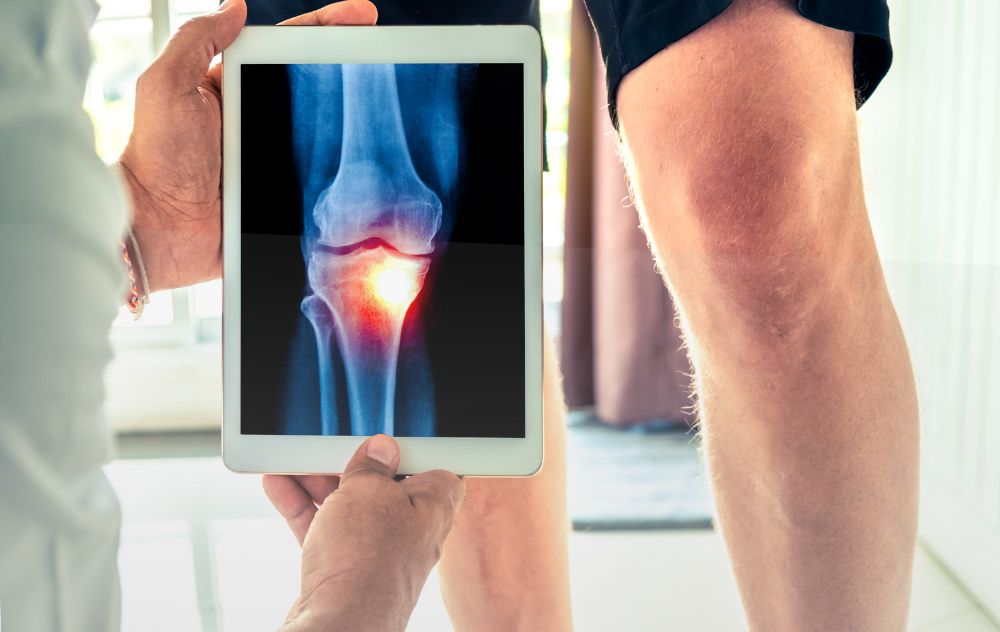
Knee arthritis is one of the most common causes of chronic knee pain in adults. But because symptoms can vary widely from person to person, many people struggle to understand whether their discomfort is actually arthritis — or something else entirely. Knowing what knee arthritis feels like can help you recognize warning signs early and seek the right care before symptoms limit your daily life.
What Is Knee Arthritis?
Knee arthritis occurs when the cartilage that cushions your knee joint breaks down or becomes inflamed. Over time, this wear and tear leads to pain, stiffness, swelling, and changes in how the knee moves.
The two most common types are:
-
Osteoarthritis (OA): The most common form, typically caused by age-related wear and tear.
-
Rheumatoid Arthritis (RA): An autoimmune condition that causes joint inflammation and pain.
Both types can create similar symptoms — but the way the pain feels may differ depending on severity, activity level, and overall joint health.
What Does Knee Arthritis Pain Feel Like?
Knee arthritis pain can manifest in several distinct ways. Patients often report a combination of the following sensations:
1. A Deep, Achy Pain in the Knee
Arthritis pain is typically described as a persistent, dull ache deep within the joint.
This sensation often comes from the breakdown of cartilage and increased bone-on-bone friction.
Commonly felt:
-
In the front of the knee
-
Along the inside of the joint
-
Around the kneecap
2. Sharp Pain With Certain Movements
While the underlying pain may feel dull and constant, arthritis can also cause sharp, stabbing pain during:
-
Standing up from a chair
-
Climbing stairs
-
Squatting or kneeling
-
Turning or pivoting the leg
This occurs when inflamed joint surfaces rub together or bone spurs irritate surrounding tissue.
3. Stiffness — Especially in the Morning
People with knee arthritis often feel tightness or stiffness in the joint, especially:
-
First thing in the morning
-
After sitting or resting for long periods
-
In cold or damp weather
The stiffness usually improves as movement increases, but it may return after inactivity.
4. A “Grinding,” “Clicking,” or “Popping” Sensation
As cartilage thins, the joint loses its smooth gliding motion.
This can create:
-
Grinding (crepitus)
-
Crunching
-
Clicking or popping
These sensations often accompany pain or swelling and may worsen over time.
5. Swelling and Warmth Around the Joint
Arthritis can trigger inflammation that makes the knee:
-
Swollen
-
Warm to the touch
-
Tender when pressure is applied
Swelling may increase after activity or at the end of the day.
6. Pain That Worsens With Activity — and Eases With Rest
Because arthritis impacts the joint’s ability to absorb shock, pain usually becomes more noticeable when the knee is working harder.
Pain often worsens during:
-
Walking long distances
-
Going up or down stairs
-
Carrying heavy items
-
High-impact activities (jogging, jumping)
Many people find that the pain improves with rest, especially during early stages of arthritis.
7. A Feeling of Instability or “Giving Way”
As arthritis affects the joint structure and nearby muscles, the knee can feel:
-
Weak
-
Unsteady
-
Like it may buckle
This instability may be due to inflammation, muscle weakness, or joint damage.
Is Knee Arthritis Pain the Same for Everyone?
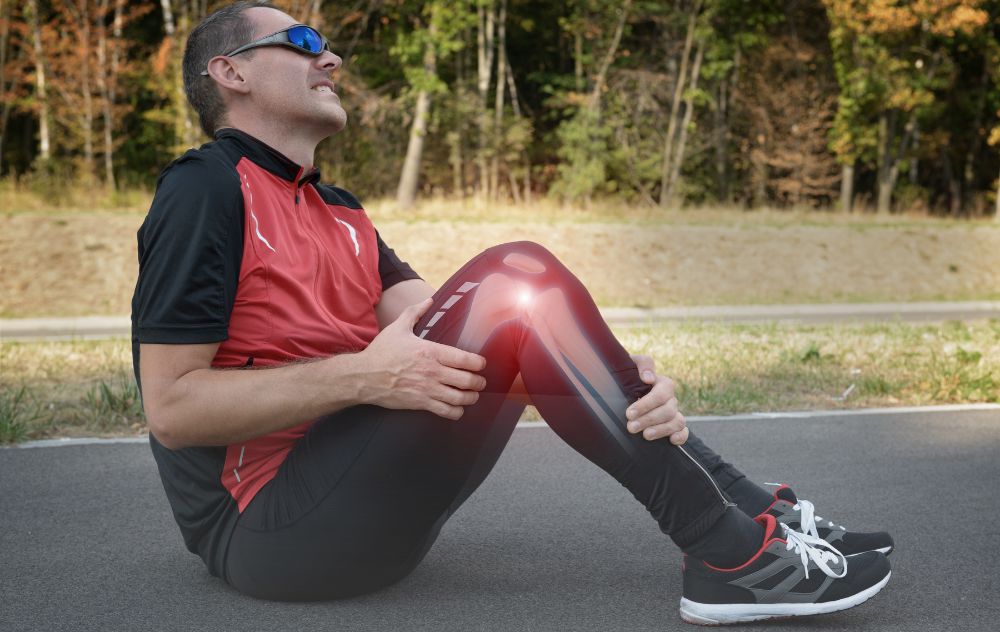
No — knee arthritis pain can feel dramatically different from person to person. Even though arthritis involves the same joint structures, the way symptoms present depends on a combination of individual factors, including the type of arthritis, activity level, age, body weight, joint alignment, and the stage of disease progression. Because of this, two people with the same diagnosis may describe completely different pain experiences.
Differences Based on Type of Arthritis
-
Osteoarthritis (OA):
Pain often develops gradually and feels like a deep, achy soreness that worsens with activity. Stiffness after rest is common, and symptoms may fluctuate based on weather or physical strain. -
Rheumatoid Arthritis (RA):
Pain tends to be more inflammatory, causing warmth, swelling, and prolonged morning stiffness. People with RA may experience pain in both knees simultaneously.
Differences Based on Disease Severity
-
Early-stage arthritis may cause intermittent discomfort that comes and goes with activity.
-
Moderate arthritis may produce daily stiffness, swelling, and sharper pain during bending, stairs, or squatting.
-
Advanced arthritis can cause near-constant pain, instability, and difficulty performing routine movements.
When Arthritis Progresses to “Bone-on-Bone” Pain
One of the most significant variations in knee arthritis pain occurs when the cartilage has worn down so extensively that the bones of the knee joint begin rubbing directly against each other — a condition often referred to as “bone-on-bone” arthritis.
When this happens, patients may experience:
-
Severe, sharp pain during movement
-
Grinding or grating sensations (crepitus) caused by bone contact
-
Swelling and inflammation as the joint becomes irritated
-
Difficulty bearing weight on the affected leg
-
Instability or “giving out” due to weakened structures around the knee
Bone-on-bone arthritis is usually seen in advanced osteoarthritis and often results in more constant, debilitating pain compared to earlier stages of the disease. Even small movements like walking, standing up, or bending the knee can trigger discomfort.
Some individuals with bone-on-bone arthritis may still have occasional “good days,” while others experience daily limitations — reinforcing how variable knee arthritis symptoms can be.
Activity and Lifestyle Differences
A very active person might feel pain during high-impact activities or long walks, while someone more sedentary may notice stiffness and discomfort after sitting too long. Weight, muscle strength, and previous injuries also influence how intense the pain feels.
Pain Location Can Vary
Arthritis may affect different parts of the knee, leading to varied pain patterns:
-
Front of the knee (patellofemoral arthritis)
-
Inner knee (medial compartment arthritis)
-
Outer knee (lateral compartment arthritis)
-
All around the joint (global or advanced arthritis)
Each location produces a different sensation and may impact mobility in unique ways.
Weather Sensitivity
Many people with knee arthritis report pain that worsens during:
-
Cold temperatures
-
Rainy or humid weather
-
Barometric pressure changes
Others may not notice any weather-related symptoms at all.
Other Symptoms Can Differ Too
Beyond pain, people may experience:
-
Swelling
-
Grinding or popping
-
Knee “giving way”
-
Locking or catching
-
Difficulty straightening or bending the knee
Some feel only mild discomfort, while others struggle with daily tasks such as standing, walking, or climbing stairs.
When Should You See a Doctor?

Seek medical attention if knee pain:
-
Persists for more than a few weeks
-
Interferes with walking, standing, or bending
-
Causes swelling or warmth that does not improve
-
Makes the knee feel unstable
-
Is accompanied by locking, catching, or severe clicking
-
Limits your daily activities or exercise routine
Early diagnosis can help slow joint damage and prevent symptoms from worsening.
How Knee Arthritis Pain Is Diagnosed
Diagnosing knee arthritis involves more than confirming joint pain — it’s about understanding the degree of joint damage, identifying inflammation, and ruling out other conditions that may mimic arthritis symptoms. A thorough evaluation helps your provider determine the most effective treatment plan.
A healthcare provider may recommend:
-
A physical exam
-
X-rays
-
MRI or ultrasound
-
Lab tests (for rheumatoid arthritis)
-
Evaluation of mobility and gait
This helps determine the severity of arthritis and the best treatment plan
Connect with USA Pain Center
Knee arthritis can feel like a deep ache, sharp movement-based pain, stiffness, swelling, or even a grinding sensation that makes everyday activities more challenging. But with early diagnosis and the right treatment plan, many people experience meaningful relief, improved mobility, and a better quality of life. If knee pain is affecting how you move, sleep, or function day-to-day, don’t wait. A specialist can help you understand what’s happening inside your joint and guide you toward treatments that help you stay active, independent, and comfortable