
Medically reviewed by
USA Pain Center Medical Review Team
Interventional radiologists and knee pain management specialists
Reviewed November 2026
Knee inflammation is most often caused by osteoarthritis, the gradual breakdown of cartilage that leaves the joint lining irritated and swollen. Overuse and minor injury can produce similar symptoms, which is why the overall pattern matters more than the swelling alone. If your knee has felt puffy, warm, or stiff lately, understanding what might be driving it is a useful first step before deciding what to do next.
What Is Knee Inflammation?
Knee inflammation happens when the synovium, the thin tissue lining the joint, reacts to stress, damage, or irritation by producing extra fluid and becoming thicker than usual.[1] This response can appear suddenly after an injury or build gradually over months. Swelling that comes on fast is usually described as acute, while swelling that lingers for weeks or keeps returning is considered chronic. For a closer look at how these two patterns differ, our guide to acute versus chronic knee inflammation breaks down what each one typically signals.
What Is the Main Cause of Knee Inflammation?
For most adults, the leading cause of knee inflammation is knee osteoarthritis.[2] As the cartilage that cushions the joint wears down, the exposed surfaces create friction that irritates the synovium and triggers ongoing low-grade inflammation. Over time, this cycle can also prompt the growth of small, abnormal blood vessels inside the joint lining, which may help keep the inflammation active even when the knee is resting. You can read more about how this process unfolds in our overview of knee osteoarthritis symptoms.
Other Common Causes of Knee Inflammation
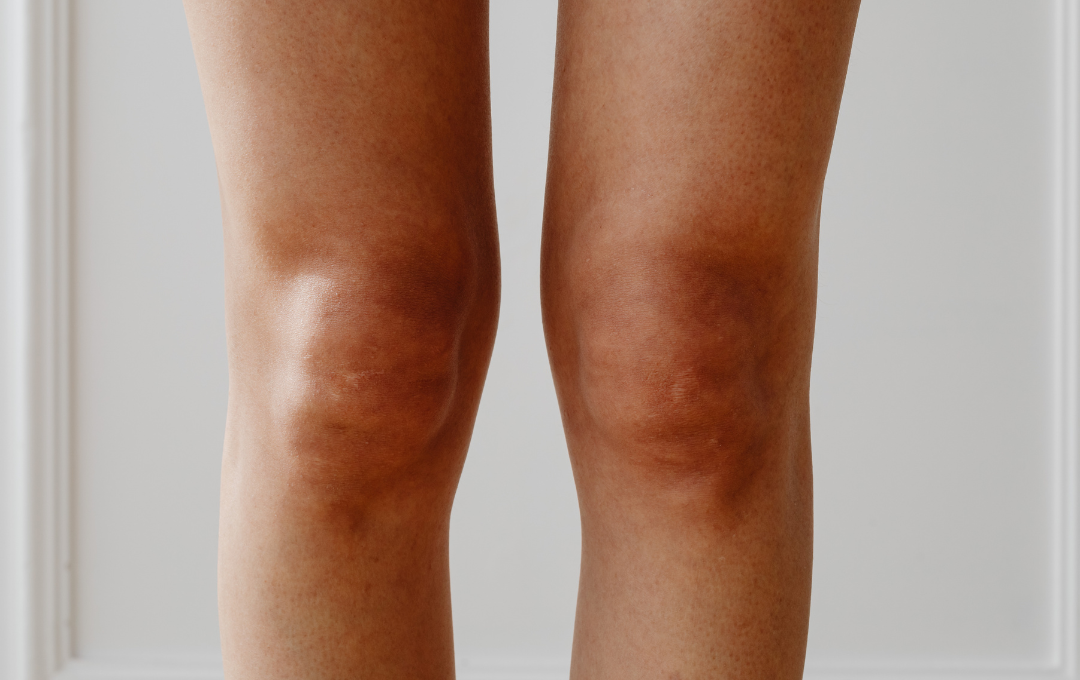
Osteoarthritis is the most frequent driver, but it is not the only one.
Overuse and Repetitive Strain
Repeated kneeling, climbing, or high-impact activity can irritate the tissues around the knee without any single injury taking place. This type of inflammation often improves with rest and tends to recur if the same activity pattern continues.
Minor Injury
A twist, fall, or sudden impact can trigger short-term swelling as the body responds to the strain. Mild cases often settle within a few days, though swelling that is severe, rapid, or paired with instability deserves prompt attention.
Conditions That Call for a Different Specialist
Some causes of knee inflammation, such as autoimmune joint disease or a sudden joint infection, involve different mechanisms than osteoarthritis and are best evaluated by a rheumatologist or primary care provider. If your symptoms include fever, inflammation in multiple joints at once, or rapidly spreading redness, a prompt medical evaluation can help identify the right type of care.
Symptoms of Knee Inflammation to Watch For
Knee inflammation can look and feel different from person to person, but a few patterns are common. Swelling that makes the knee feel tight or puffy, warmth around the joint, stiffness after sitting or sleeping, and aching that worsens with activity can all point to inflammation inside the joint. If these patterns sound familiar, reviewing the early signs of knee arthritis can help you track whether they are changing over time.
Is Knee Inflammation Always Serious?
Not necessarily. Mild swelling that appears after activity and settles with rest is common and often does not indicate a serious problem. Inflammation is more likely to reflect an underlying joint condition when it persists for more than a week or two, keeps returning, or is accompanied by increasing pain or stiffness.[3] In those cases, a specialist evaluation can help identify the cause rather than guessing at home.
Home Treatment vs. When to See a Doctor
At-Home Care for Mild Knee Inflammation
For mild, short-lived swelling, rest, ice, and over-the-counter anti-inflammatory medication are often enough to ease symptoms. Elevating the leg and avoiding activities that clearly aggravate the knee can also help the joint settle.
When to See a Doctor
Medical evaluation is recommended if swelling lasts longer than a week or two, keeps coming back, limits your ability to bear weight, or is accompanied by warmth, redness, fever, or a feeling of instability. A knee pain specialist can examine the joint, review your symptoms, and determine whether imaging or further testing can help clarify the cause.
A single episode of knee inflammation is rarely cause for alarm, but a pattern that keeps repeating is worth paying attention to. Understanding whether osteoarthritis, overuse, or something else is driving your symptoms can help you and a specialist decide on the most appropriate next step.
Knee Pain Education
Ready to Understand Your Knee Pain?
If knee inflammation keeps returning or shows up alongside pain and stiffness, it may be tied to knee osteoarthritis. USA Pain Center specialists are experienced in diagnosing knee conditions and explaining minimally invasive treatment options for patients with symptomatic osteoarthritis.
Unlike traditional approaches, USA Pain Center uses advanced imaging and minimally invasive techniques to target the root cause of knee pain: inflammation in the joint. If you are a candidate for treatment, your specialist will discuss options with you in detail.
FAQs About Knee Inflammation
- National Institute of Arthritis and Musculoskeletal and Skin Diseases. Osteoarthritis. National Institutes of Health.
- Mayo Clinic. Knee pain – Symptoms and causes. Mayo Foundation for Medical Education and Research.
- MedlinePlus. Knee pain. National Library of Medicine.
Medical disclaimer: USA Pain Center content provides medical education only. It is not a diagnosis or treatment recommendation. Consult a pain management specialist for evaluation.