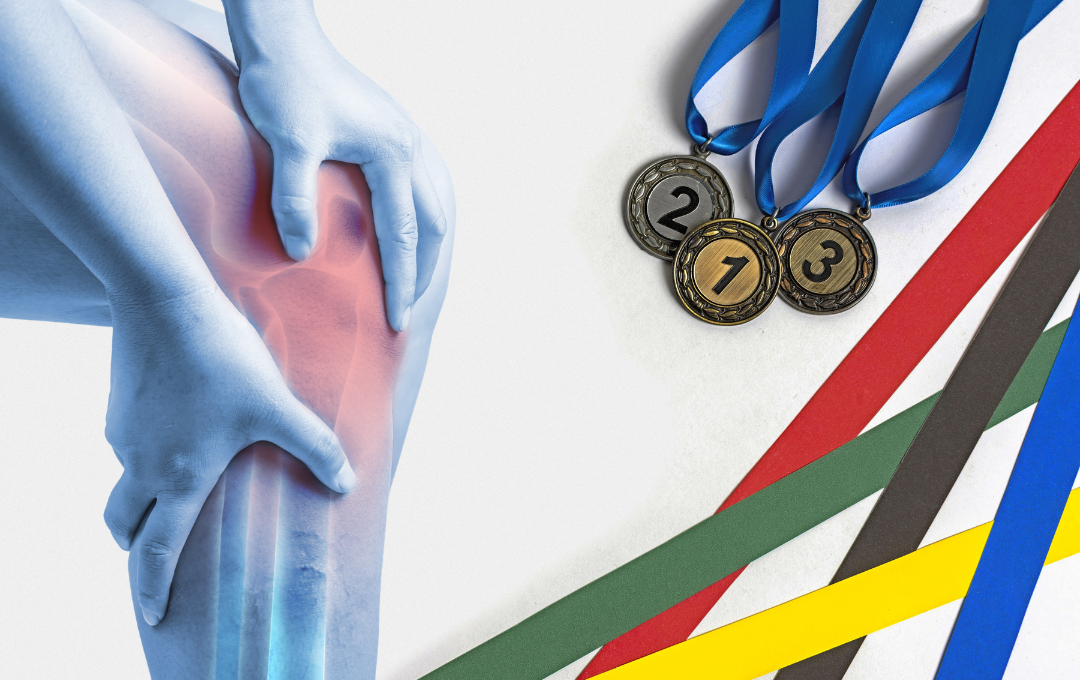
Watching the Winter Olympics athletes push the limits of human endurance is a powerful reminder of what our bodies are capable of achieving. From the explosive power of a ski jump to the graceful, high-tension pivots of figure skating, the world’s best athletes are putting their joints to the ultimate test.
But for many of us watching from home, the winter games look a little different. Instead of chasing medals, we’re handling icy driveways, climbing stairs, or trying to stay active despite a nagging ache in our knees. Whether it’s a sports injury or the grind of chronic arthritis, knee pain can make everyday movement feel like an uphill climb.
Most orthopaedic issues can be managed, and some even prevented, with the right treatment approach. USA Pain Center shares how to stay ahead of chronic knee pain this season.
Where Does Chronic Knee Pain Come From
The knee is a workhorse, but it’s also one of the most commonly injured joints. During the Winter Olympics, we see athletes push their knees through incredible torque and impact. For the rest of us, the cold weather and slippery conditions of winter add their own set of challenges.
According to the American Academy of Orthopaedic Surgeons, knee injuries such as ACL tears, meniscus tears, cartilage injuries, and sudden and significant worsening of symptoms in pre-existing chronic conditions like knee arthritis are very common among athletes.
What is Knee Arthritis?
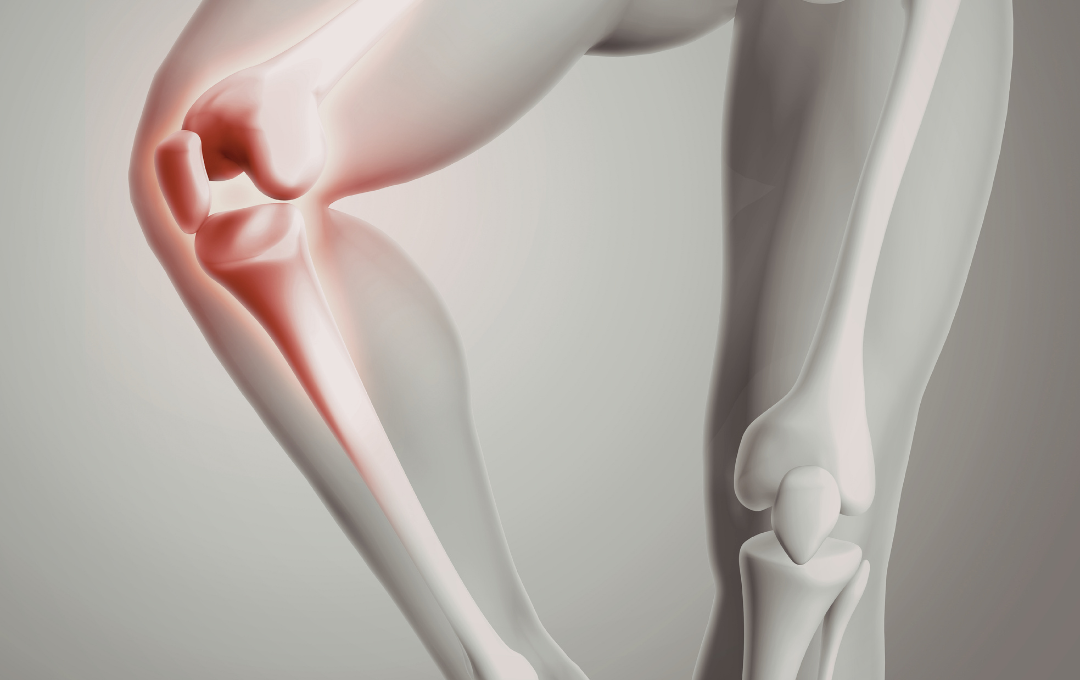
Knee arthritis, also known as knee osteoarthritis (OA), is a degenerative joint disease that occurs when the protective tissue at the ends of your bones wears down over time. While aging is the main cause of knee arthritis, other factors can also accelerate the process.
Past injuries, like an old ACL or meniscus tear, often lead to long-term damage. Physical stress from heavy lifting, kneeling, or high-impact sports also wears down the joint. Additionally, extra body weight puts constant pressure on your knees, causing the protective cartilage to break down much faster.
It is important to seek a professional evaluation if you experience:
- Significant swelling (the “water on the knee” look).
- Pain that doesn’t improve with rest, ice, and anti-inflammatories.
- “Mechanical symptoms” like locking, catching, or the knee giving way.
Winning the Battle Against Knee Arthritis and Injury

If you are living with knee arthritis, the drop in barometric pressure and colder temperatures can often make joints feel stiffer and more painful. However, “pro athlete” levels of care are available to help you stay mobile.
Most knee injuries and arthritic flare-ups can improve with lifestyle changes and non-surgical treatments such as:
- Targeted Strengthening: Focusing on the core and large muscle groups of the leg (like the quads and hamstrings) helps take the pressure off the knee joint itself.
- Low-Impact Activity: Swap high-impact pounding for cycling or swimming to keep the joint lubricated without extra wear and tear.
- Weight Management: Losing just a few pounds can significantly reduce strain on your knees.
- Strategic Warm-ups: Never jump into activity “cold.” A gradual warm-up and stretching routine is essential before tackling winter chores or sports.
- Clinical Support: Options such as physical therapy, specialized medications, and cortisone injections can provide the relief needed to keep you moving.
- Minimally Invasive Treatment: Treatment options like genicular artery embolization (GAE) is a minimally invasive, image-guided procedure that relieves chronic knee osteoarthritis pain by reducing blood flow to inflamed joint tissue.
How GAE Can Offer Long-Lasting Relief?
If you’ve tried injections and physical therapy with no luck, but aren’t ready for a major knee replacement, genicular artery embolization (GAE) might be your game-changer. This innovative, minimally invasive procedure is designed specifically to shut down the chronic pain caused by osteoarthritis.
Performed by an interventional radiologist, a specialist who uses advanced imaging like X-rays to treat issues inside the body without large incisions, GAE targets inflammation in the knee, which is the root cause of your discomfort.
How Does GAE Work?
The beauty of GAE is its simplicity for the patient. It’s an outpatient procedure performed under mild sedation, meaning you can head home the same day. A simple breakdown of the process is as follows:
- The Approach: The knee specialist guides a tiny tube (catheter) through the arteries directly to the knee using X-ray guidance.
- The Solution: Once at the site, microscopic particles are injected into the specific arteries feeding the knee’s inflamed lining.
- The Result: By safely reducing blood flow to these irritated areas, inflammation comes down significantly. These particles are biocompatible and won’t move to other parts of your body or cause allergic reactions.
Long-Term Relief and Recovery
Most patients experience significant relief from pain and stiffness for anywhere from six months to two years. Since it is so gentle on the body, GAE can be performed more than once if needed, and it even helps slow down the progression of your arthritis.
Treating knee osteoarthritis early with a non-invasive option like GAE can help you reclaim a life full of motion and activity, just like the athletes we have been admiring in the Winter Olympics.
Get Back in the Game With USA Pain Center

Just as Olympians rely on a team of experts to reach their full potential, you deserve to move freely and without pain. If conservative treatments aren’t crossing the finish line, a knee evaluation can help determine if minimally invasive options are right for you.
USA Pain Center provides a personalized approach through advanced imaging and minimally invasive treatment GAE for joint preservation.
With GAE you can take control of your knee joint health and keep your body performing at its best, whether you’re hitting the slopes or just heading to the grocery store.
Sources: