Bone-on-bone arthritis is one of those phrases that sounds as painful as it feels. If you’ve been told you have it, you may be wondering whether living with bone-on-bone arthritis is realistic or if intervention is inevitable. The short answer is yes, some people do live with it, but often with significant pain, mobility limits, and a reduced quality of life. Understanding what bone-on-bone arthritis means, what daily life can look like, and what treatment options exist can help you decide your next step.
At USA Pain Center, we work with patients every day who are navigating this exact question.
What Does “Bone-on-Bone” Arthritis Mean?
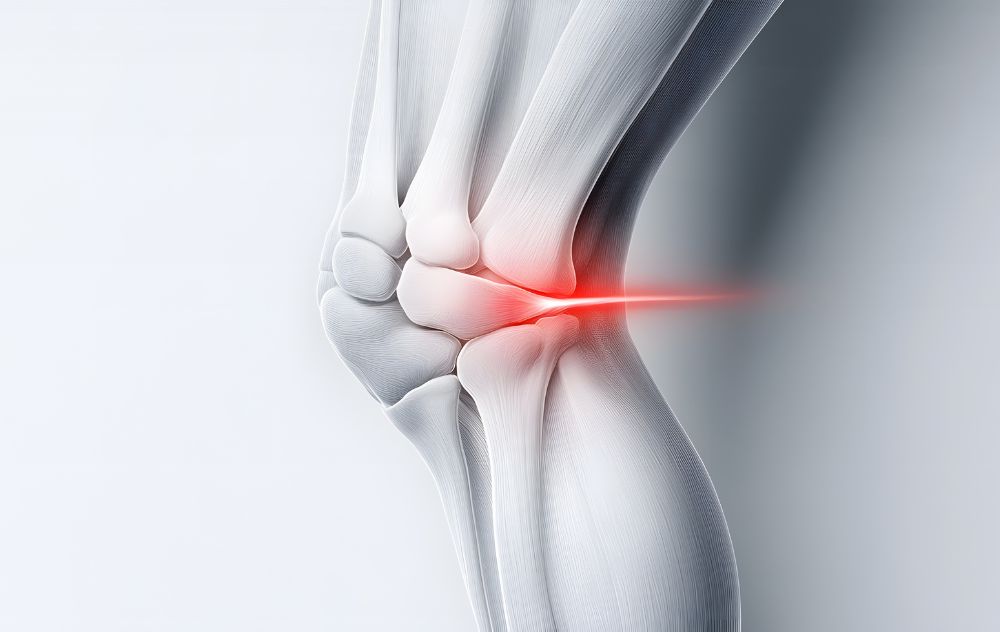
Bone-on-bone arthritis usually refers to advanced osteoarthritis. Over time, the cartilage that cushions the ends of your bones wears away. When that cartilage is severely damaged or gone, the bones in the joint rub directly against each other.
This most commonly affects weight-bearing joints like the knee, but it can also occur in the hip, shoulder, or ankle.
Why the knee is commonly affected
The knee absorbs a large amount of force with every step. Walking, climbing stairs, and standing all place stress on the joint. Over time, this constant pressure makes the knee one of the most common places for bone-on-bone arthritis to occur.
See Our Locations for a Consult Near You
What Living With Bone-on-Bone Arthritis Feels Like
Symptoms of bone-on-bone arthritis can vary, but many people experience consistent and worsening discomfort. Common symptoms include ongoing knee pain, stiffness after sitting or sleeping, swelling around the joint, and difficulty bending or straightening the knee. Patients explain the feeling of knee arthritis as painful.
Pain may not be limited to movement. Inflammation inside the joint can cause aching even while resting, which may interfere with sleep and make it harder to recover between activities. Over time, these symptoms can limit daily routines and reduce overall mobility.
Can You Live With It Without Treatment?
Some people do continue living with bone-on-bone arthritis without pursuing advanced treatment. This often involves modifying activities, limiting movement, or relying on pain medications. While this approach may feel manageable at first, it often comes with trade-offs.
Untreated bone-on-bone arthritis can lead to increasing pain, reduced strength, and loss of joint function. Many people gradually become less active to avoid discomfort, which can contribute to muscle weakness and stiffness that further worsen mobility.
How Serious is Bone-on-Bone in the Knee?
How Bone-on-Bone Arthritis Is Diagnosed

Doctors typically use imaging tests, such as X-rays, to diagnose bone-on-bone arthritis. X-rays show the space between bones in a joint. When that space becomes very narrow or disappears entirely, it indicates severe cartilage loss.
Diagnosis is often combined with a physical exam and a discussion of symptoms to determine how much the condition is affecting daily life.
A Minimally Invasive Option: Genicular Artery Embolization (GAE)
For patients with knee pain caused by osteoarthritis, Genicular Artery Embolization (GAE) may offer relief without surgery.
GAE is a minimally invasive, image-guided procedure that targets the inflamed blood vessels contributing to knee pain. By reducing abnormal blood flow associated with inflammation, GAE can help decrease pain and improve function.
Why patients consider GAE:
-
No joint replacement
-
No large incisions
-
Outpatient procedure
-
Shorter recovery time compared to surgery
-
Can be an option for patients who want to delay or avoid knee replacement
GAE does not regenerate cartilage, but it can address pain and inflammation that make bone-on-bone arthritis so debilitating.
Connect with USA Pain Center
You can live with bone-on-bone arthritis, but living comfortably often requires treatment. Chronic knee pain does not have to be accepted as an unavoidable part of aging, and surgery is not the only option for everyone.
Understanding advanced arthritis and exploring treatments like Genicular Artery Embolization can help you make informed decisions about managing pain and maintaining mobility. A personalized evaluation can clarify which options align best with your goals and lifestyle.