
If you are considering genicular artery embolization (GAE) for knee arthritis, it’s natural to want a clear understanding of how the procedure works, who is a candidate, and how it compares to other treatment options. By learning how GAE targets inflammation, patients with chronic knee pain can make a more informed decision about managing their knee arthritis and finding relief.
What is Genicular Artery Embolization?
GAE is a non-surgical alternative to knee replacement surgery that treats the source of chronic knee pain from arthritis, also known as knee osteoarthritis (OA). While other treatments help manage pain, the GAE procedure targets the blood vessels that contribute to inflammation from knee OA.
The procedure is done by an interventional radiologist, who uses medical imaging and tools to find the arteries that trigger inflammation in the knee and reduce their blood flow. No major incisions are required, and the procedure is done in an outpatient setting, allowing patients to go home the same day as their treatment.
How Knee Arthritis Develops
To understand how genicular artery embolization (GAE) works, you first have to understand how an arthritic knee hurts.
While many people believe that knee arthritis is simply wear and tear on the bone, it is actually a complex biological process. The cartilage will break down first, which triggers an inflammatory response in the brain that will send cells that try to “repair” the affected knee. This creates a vicious cycle as the cartilage deteriorates further, leading to chronic inflammation.
Chronic inflammation in the knee will then cause the body to build tiny blood vessels in the joint lining (the synovium) to accommodate the inflammatory cells. This process, called neovascularization, can also cause new hyper-sensitive sensory nerves that will send more “throbbing” signals to the brain.
At this point, many patients may have already tried treatments, such as steroid injections, to alleviate knee pain and inflammation. However, those treatments do not address the abnormal blood vessels and nerves that have developed.
How Genicular Artery Embolization Works on Knee Pain
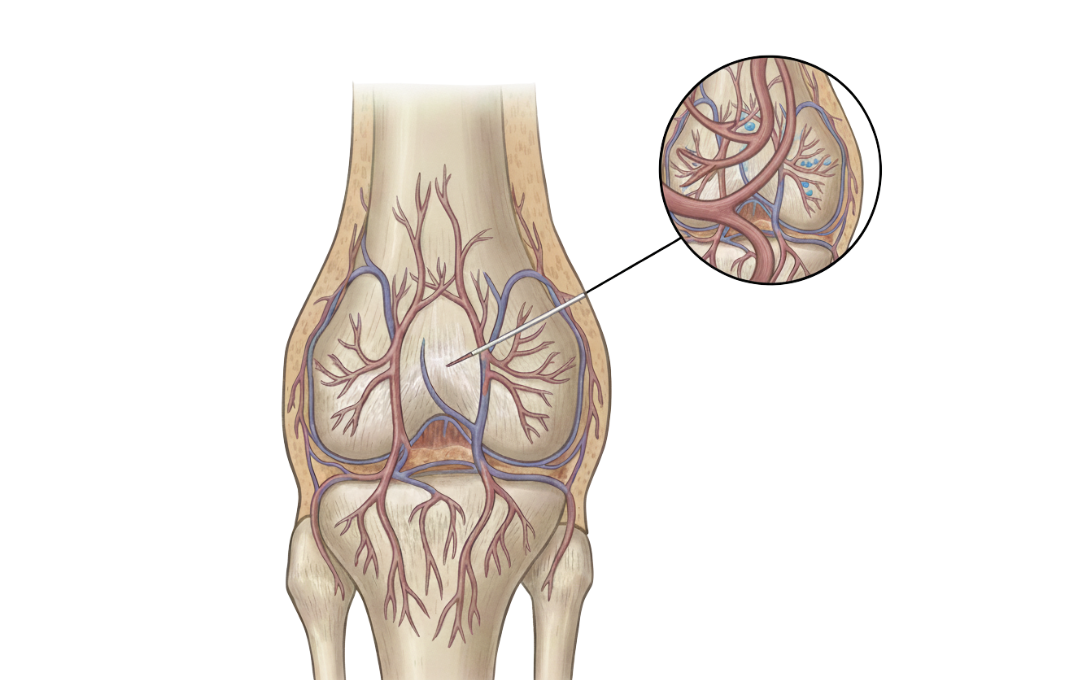
Genicular artery embolization (GAE) will break the cycle of chronic knee pain by “starving” the inflammation. An interventional radiologist will use microscopic particles to selectively block the abnormal blood flow to the synovium.
By strategically blocking blood flow to these abnormal vessels, the procedure reduces internal swelling and effectively “turns off” overactive pain nerves. You are not just masking the pain; you are removing the biological fuel that keeps the pain alive.
What to Expect During the GAE Procedure
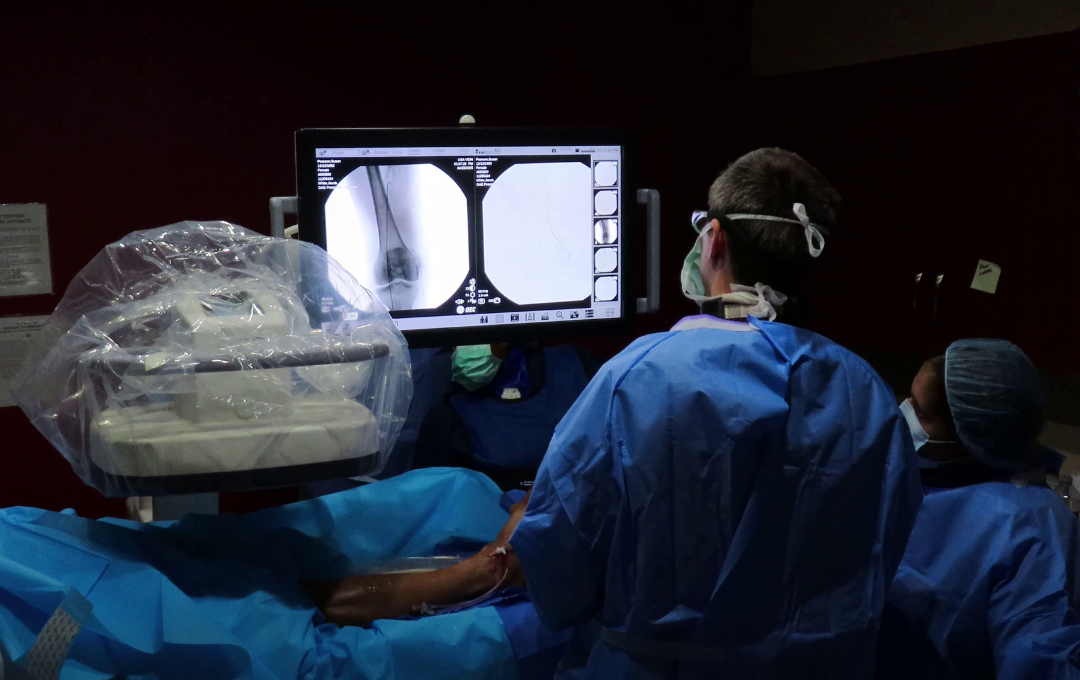
While the science behind it is complex, the procedure itself is straightforward and designed for patient comfort. Here is what happens during a typical session at USA Pain Center:
- Access: After you are given a light sedative or local anesthesia, an interventional radiologist will access an artery by inserting a thin catheter into a small entry point (usually in the wrist or groin).
- Navigation: Using advanced imaging, the doctor guides the catheter to specific genicular arteries that are fueling the inflammation in your knee.
- Embolization: Tiny particles, called embolization agents, are injected through the catheter. These particles act like microscopic “stoppers” to reduce blood flow to the inflamed tissue.
- Safety: Embolization agents are made of safe, biocompatible materials that have been used successfully in vascular procedures for over 30 years.
Once the particles are in place, they immediately begin to subside the inflammation. Because there are no large incisions, you will typically leave the clinic the same day with nothing more than a small adhesive bandage and a significantly shorter recovery time than traditional surgery.
What are the Risks and Side Effects of GAE?
Genicular artery embolization’s side effects are typically mild and temporary, with few risks compared to surgery. Common side effects include:
- Temporary skin discoloration that resolves in a few weeks
- Mild pain, bruising, bleeding, or swelling around the insertion site
- Temporary tingling or numbing in the leg
Any procedure will run a slight risk of infection or blood clots; however, these risks from GAE are statistically low at less than one percent, making it a safe procedure.
What Is the Success Rate for Genicular Artery Embolization?
GAE has been noted to have a success rate between 85 and 99 percent, according to multiple studies from the Journal of Vascular and Interventional Radiology (1) and Osteoarthritis and Cartilage Open (2). Many patients still reported symptom relief after 12 months.
Who Is a Candidate for Genicular Artery Embolization?
While GAE is a breakthrough for chronic inflammation, it is important to understand when it is most effective.
Genicular artery embolization is for people with moderate to severe knee pain from arthritis. These people may still have space in their joints, but still suffer from constant throbbing, swelling, and heat in the knee.
Patients may also consider GAE if they:
- Have not responded well to other treatments, such as corticosteroid injections.
- Are not a suitable candidate for knee replacement due to age, medications they take, or a medical condition that may increase risks of complications.
- Want to return to an active lifestyle without knee pain.
- Desire avoiding or delaying getting knee replacement surgery.
The best way to determine if GAE is right for you is through a specialized evaluation. Our knee pain specialists at USA Pain Center use advanced imaging to help you decide if you can skip the surgery and go straight to relief.
The Benefits of Genicular Artery Embolization
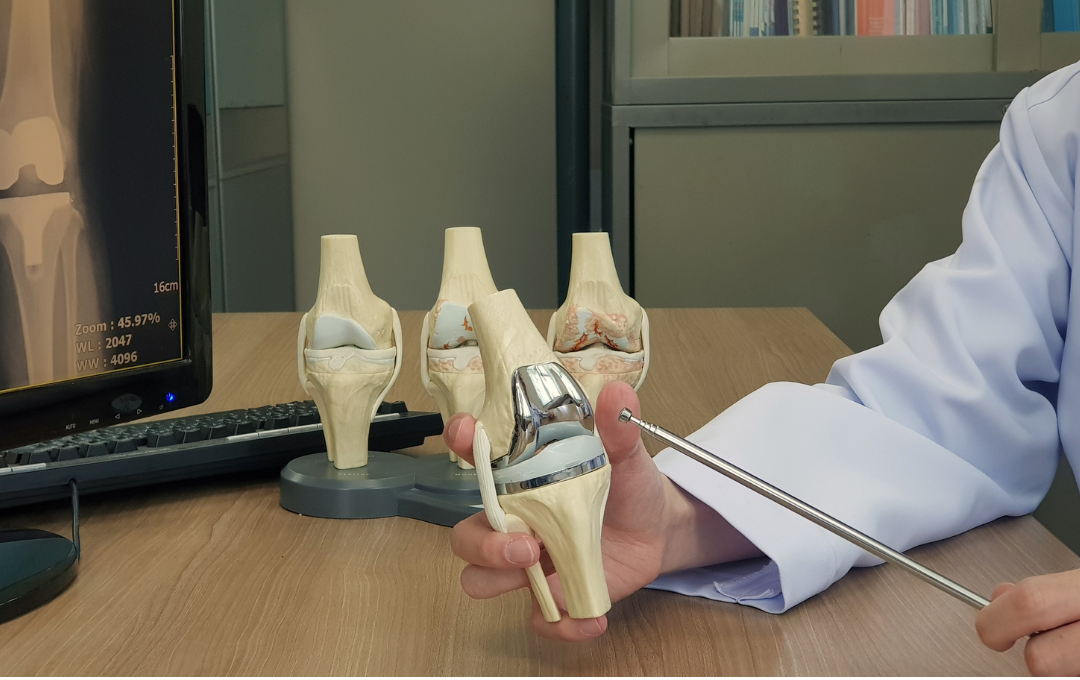
For many patients, GAE is a way to bridge the “treatment gap” between physical therapy and major surgery. Patients prefer GAE as an alternative to knee replacement surgery for the following reasons:
- Preservation of your natural joint: GAE leaves the joint anatomy intact and typically does not disqualify future knee replacement if it’s needed later.
- No general anesthesia: GAE is performed using local numbing and light sedation, which may be preferred by patients who may not be suitable candidates for surgery.
- Rapid return to life: Most patients walk out of our clinic the same day and can resume light activities within 48 to 72 hours—compared to the weeks or months required for surgical recovery.
- Outpatient convenience: GAE is performed in a specialized office setting, allowing you to avoid the hospital environment entirely.
Find Knee Pain Relief at USA Pain Center
Finding effective relief from painful knee arthritis starts with finding the right provider for treatment.
At USA Pain Center, we provide a safe, effective, and minimally invasive treatment to manage chronic knee pain while also delaying the need for surgery. We are recognized by the Accreditation Association for Ambulatory Health Care (AAAHC), ensuring we provide high-quality, patient-focused care in dozens of locations in Connecticut, New Jersey, New York, Pennsylvania, Texas, and Washington, D.C.
We participate with most health insurance plans, and patients can verify their insurance after they schedule an appointment online or by calling our toll-free number to speak with a Care Team member. If insurance can’t cover your knee pain treatment, we offer flexible repayment options to ensure you get the treatment you need to regain your mobility.
Make an appointment with a knee pain specialist today to find relief.
FAQs
How long does it take for genicular artery embolization to work?
Some patients report knee pain relief from GAE starting within a few days to a few weeks. Most patients should start noticing the full effects of GAE within four to six weeks.
How long does genicular artery embolization last?
GAE can typically last from six months to over two years. Some studies have noted that repeat procedures are possible to continue delaying the need for surgery.
Is genicular artery embolization better than knee replacement?
In some cases, genicular artery embolization may be better than knee replacement if the patient:
- Wants a less invasive procedure with faster recovery and fewer risks.
- Has not responded well to other treatments (e.g., gel or cortisone injections).
- Is ineligible for knee replacement due to factors that increase the risk of complications, such as age, specific medications, or underlying medical conditions.