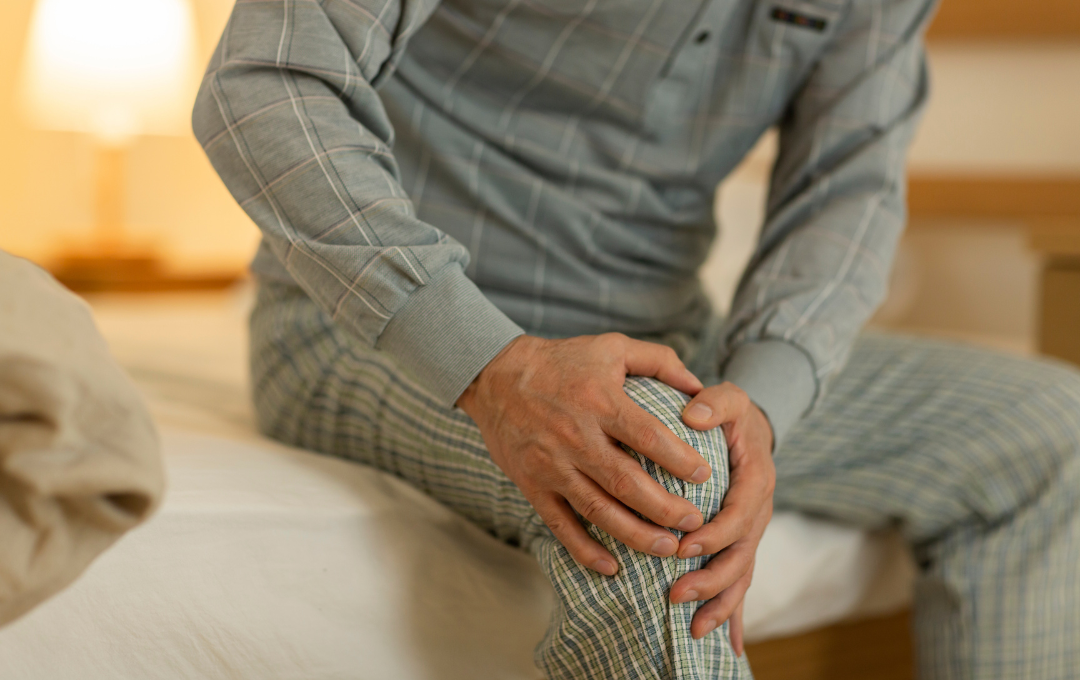
After a long day, you finally settle into bed. You feel a slight ache in your knees, but it’s nothing new — it’s the same knee pain at night you’ve grown used to. You take a pain reliever and fall asleep comfortably. At 2 a.m., your sleep is interrupted by a sharp, throbbing knee pain. Falling back asleep feels nearly impossible. You start to wonder why the pain worsened in the middle of the night and how you can relieve it.
If you experience knee pain, swelling, and stiffness that settle after walking or it wakes you up at night, you may be dealing with osteoarthritis. This degenerative condition erodes the cartilage in the knee joint, causing a painful friction between the bones and chronic inflammation sustained by circulatory changes.
Osteoarthritis is a common cause of knee pain at night. However, because it’s not the only condition that leads to night-time knee pain, identifying what’s causing the discomfort matters. The right diagnosis can lead to treatment that can relieve pain and improve sleep.
Why Knee Pain Feels Worse at Night
Night-time knee pain isn’t imagined. Several physical changes in the osteoarthritic knee can make knee pain worse at night.
Reduced Movement and Joint Stiffness (The “Gel” Effect)
During the day, movement keeps the natural lubricant in your joints (synovial fluid) thin and slippery. When you stop moving at night, that fluid thickens. This makes the joint feel stiff and “rusty” when you try to shift positions in bed.
Inflammation Buildup During Rest
Your body relies on movement to help drain inflammatory waste away from your joints. When you lie still, that “pumping” action stops. Additionally, your body’s natural anti-inflammatory hormones, known as cortisol, dip to their lowest levels around midnight. This leads to increasing pressure and sensitivity inside the knee.
Changes in Blood Flow When Lying Down
When a knee has been inflamed for a long time, the body tries to “fix” it by growing new, tiny blood vessels and sensitive new nerve endings. This is called hypervascularity.
These new vessels are crowded and leaky, and the new nerves are extremely sensitive. When you lie down and your blood flow shifts, these extra vessels can “overfill,” causing that deep, restless, throbbing ache that makes it impossible to get comfortable at night.
Treatments that reduce abnormal blood flow to inflamed tissue, such as genicular artery embolization (GAE), are designed to address this process and may be considered when conservative care fails. GAE works by reducing that unnecessary blood flow to the inflamed tissue, the pressure and sensitivity inside the knee drop, often providing significant relief from that deep night-time ache.
Learn Other ‘Invisible’ Reasons for Knee Pain
Common Causes of Knee Pain at Night

Your knee pain gets worse at night for the following reasons:
Arthritis and Joint Degeneration
- Osteoarthritis stiffness at night: As cartilage wears down, bones rub together, leading to stiffness and pain that becomes more noticeable during rest. Knee osteoarthritis can be painful during activity or rest, with symptoms often becoming more persistent as the condition progresses.
- Rheumatoid arthritis inflammation: This autoimmune condition causes ongoing inflammation that often flares at night.
Overuse and Soft-Tissue Conditions
- Tendonitis and bursitis: Inflamed tendons or fluid-filled sacs around the knee can become irritated after daily activity or repetitive motion.
- Strain from daily activity: Long periods of standing, walking, or kneeling may trigger night-time discomfort.
Nerve-Related Knee Pain
- Referred pain and nerve irritation: Pain may originate from the lower back or hip and be felt in the knee.
- How to tell nerve pain from joint pain: Nerve pain often feels sharp, burning, or tingling, while joint pain feels deep and nagging.
Ways to Manage Knee Pain Before Bed
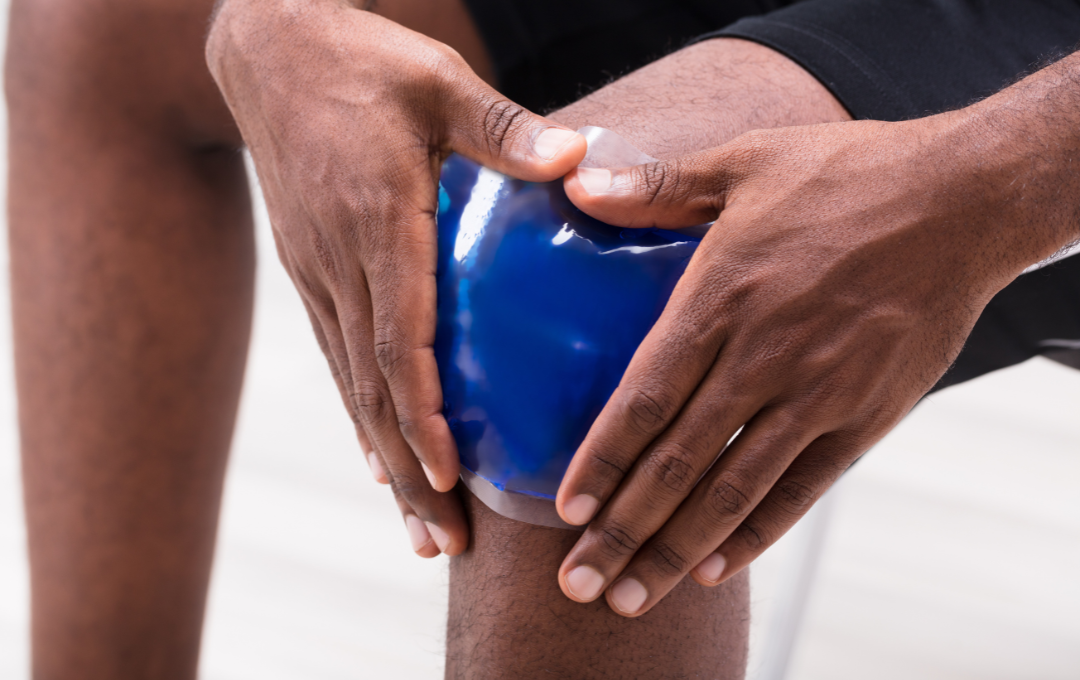
Small changes in your night-time routine can help reduce knee pain and improve sleep.
- Heat vs. ice before bed: Heat helps relax stiff joints and is usually used for chronic pain, while ice reduces inflammation and is typically used for acute flare-ups.
- Gentle stretching and mobility: Light stretching can reduce tightness without stressing the joint.
- Over-the-counter pain relief: Acetaminophen or nonsteroidal anti-inflammatory medications may help, but frequent use signals a need for medical evaluation.
- Mattress and pillow considerations: A supportive mattress and proper pillow height help maintain joint alignment.
Best Sleeping Positions for Knee Pain Relief
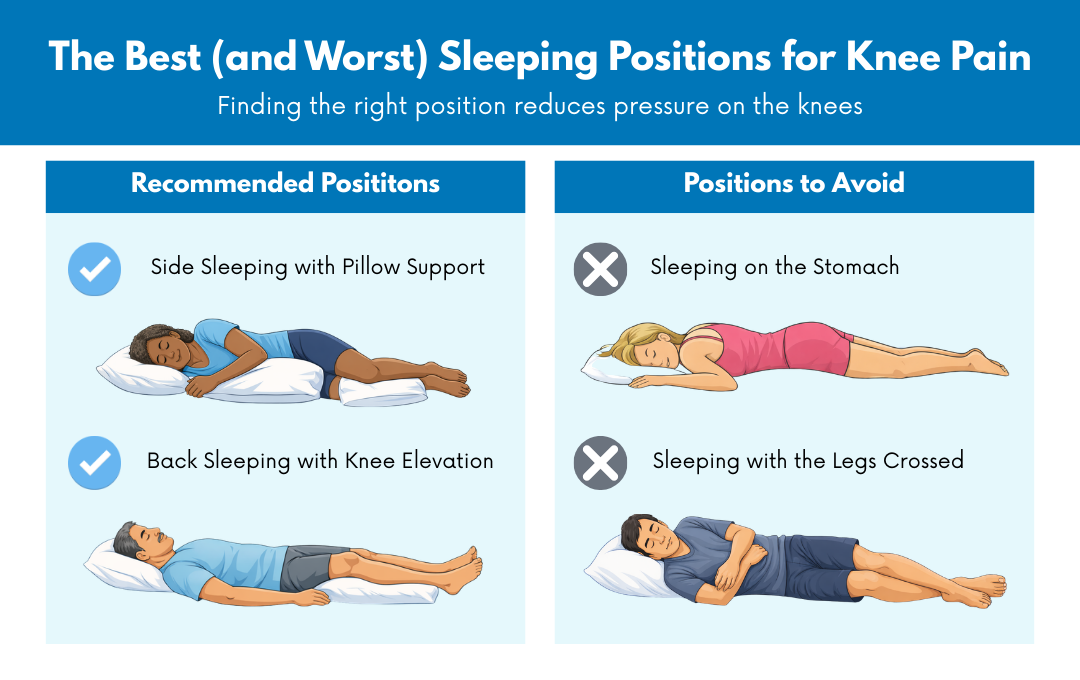
Poor sleep positioning can worsen knee pain, while proper support can reduce pressure and stiffness.
- Side sleeping with pillow support: Placing a pillow between the knees keeps the legs aligned and reduces stress on the knee joint. This is the most helpful tip for many people with knee arthritis.
- Back sleeping with knee elevation: A pillow under the knees helps keep the joint slightly bent, reducing pressure and stiffness.
- Positions to avoid: Sleeping on the stomach or with the legs crossed can increase joint strain and inflammation.
Lifestyle Changes that Reduce Night-time Knee Pain
Poor sleep positioning can worsen knee pain, while proper support can reduce pressure and stiffness.
- Side sleeping with pillow support: Placing a pillow between the knees keeps the legs aligned and reduces stress on the knee joint. This is the most helpful tip for many people with knee arthritis.
- Back sleeping with knee elevation: A pillow under the knees helps keep the joint slightly bent, reducing pressure and stiffness.
- Positions to avoid: Sleeping on the stomach or with the legs crossed can increase joint strain and inflammation.
Treatment Options for Knee Pain
If lifestyle changes aren’t enough, your doctor might suggest:
- Treatments for Strength and Support: Physical therapy and muscle stimulation devices can help stabilize the joint by strengthening the surrounding musculature.
- Targeted Injections: Platelet-rich plasma (PRP), cortisone, and gel injections may help improve lubrication in the knee and reduce inflammation.
- Knee replacement surgery: This procedure is an option for advanced knee osteoarthritis that may be recommended when pain and mobility limitations persist despite other treatments.
When to See a Doctor
It’s advised to schedule a consultation with a knee pain specialist if:
- Pain worsens or persists.
- Symptoms do not resolve with rest, ice, compression, and elevation.
- Over-the-counter pain relievers are used more than three times a week to sleep.
- The knee locks, “pops,” or grinds when moving.
- Sleep and mobility are affected.
Genicular Artery Embolization: An Alternative to Surgery
Genicular artery embolization (GAE) is the specialty of USA Pain Center. This minimally invasive, image-guided procedure targets the growth of abnormal blood vessels in the knee that fuel chronic inflammation. This may result in:
- Pain reduction by limiting inflammation that sensitizes pain receptors.
- Improved mobility and joint function, making daily activities more manageable.
- Shorter recovery time, allowing patients to return to daily life quickly.
- Joint preservation, which may be appealing to patients not ready for or not candidates for surgery.
GAE is performed through a small catheter and image guidance, which allows the treatment to be completed on an outpatient basis. Patients can return home the same day as their treatment with minimal side effects. While GAE does not replace surgery, it is a viable option for patients seeking relief when other treatments are no longer effective and surgery is not desired or appropriate.
The USA Pain Center Approach
Night-time knee pain often reflects underlying inflammation, joint changes, or circulation patterns that may not be fully addressed by surface-level treatments alone. At USA Pain Center, knee pain is approached with a focus on understanding what’s driving symptoms — not just where the pain is felt.
Specialists at USA Pain Center offer personalized evaluations to assess whether conservative care is still appropriate or whether genicular artery embolization (GAE) may be worth discussing. By identifying the source of knee pain at night, patients can better understand their condition and explore care paths designed to support long-term comfort, mobility, and improved sleep.
If conservative approaches are no longer providing relief, a thorough evaluation can help determine the next best steps. Schedule a consultation at USA Pain Center today to start your path to less pain and better sleep.